Here's what happens to touch in long-term relationships
Let's be real. Ten years in, fifteen years in, you might wake up and realize you haven't been held in weeks. Not sex. Just held. That's not because the love left. It's because the architecture of daily life crowds out the small touches that kept the connection warm. You're managing kids, work, aging parents, mortgage shit. Touch becomes something you plan for, and then don't plan for, and then it feels weird to suddenly initiate.
This is so common it has a name: touch starvation in long-term couples. And it's sneaky, because it doesn't feel like a crisis until it does.
The thing about touch is that it's not actually optional for human bonding. You need it. Your nervous system needs it to feel safe. Your relationship needs it to feel like a relationship and not just a logistical partnership. When touch disappears, the whole system gets quieter. Less laughter. Less sex. Less generosity toward each other.
Why touch matters more than you think
When skin touches skin, your brain releases oxytocin. This is the hormone that bonds people. It's what makes you feel safe enough to be vulnerable. It's what separates a roommate situation from a partnership.
In long-term couples, touch starvation often leads to what therapists call "pursuing-distancing" patterns. One person reaches out, the other pulls back (maybe from being touched out by kids, maybe from feeling rejected, maybe just from habit). Then the reaching-out person stops trying. Then resentment builds. Then sex stops too. All because nobody's hand ever just rested on someone else's skin.
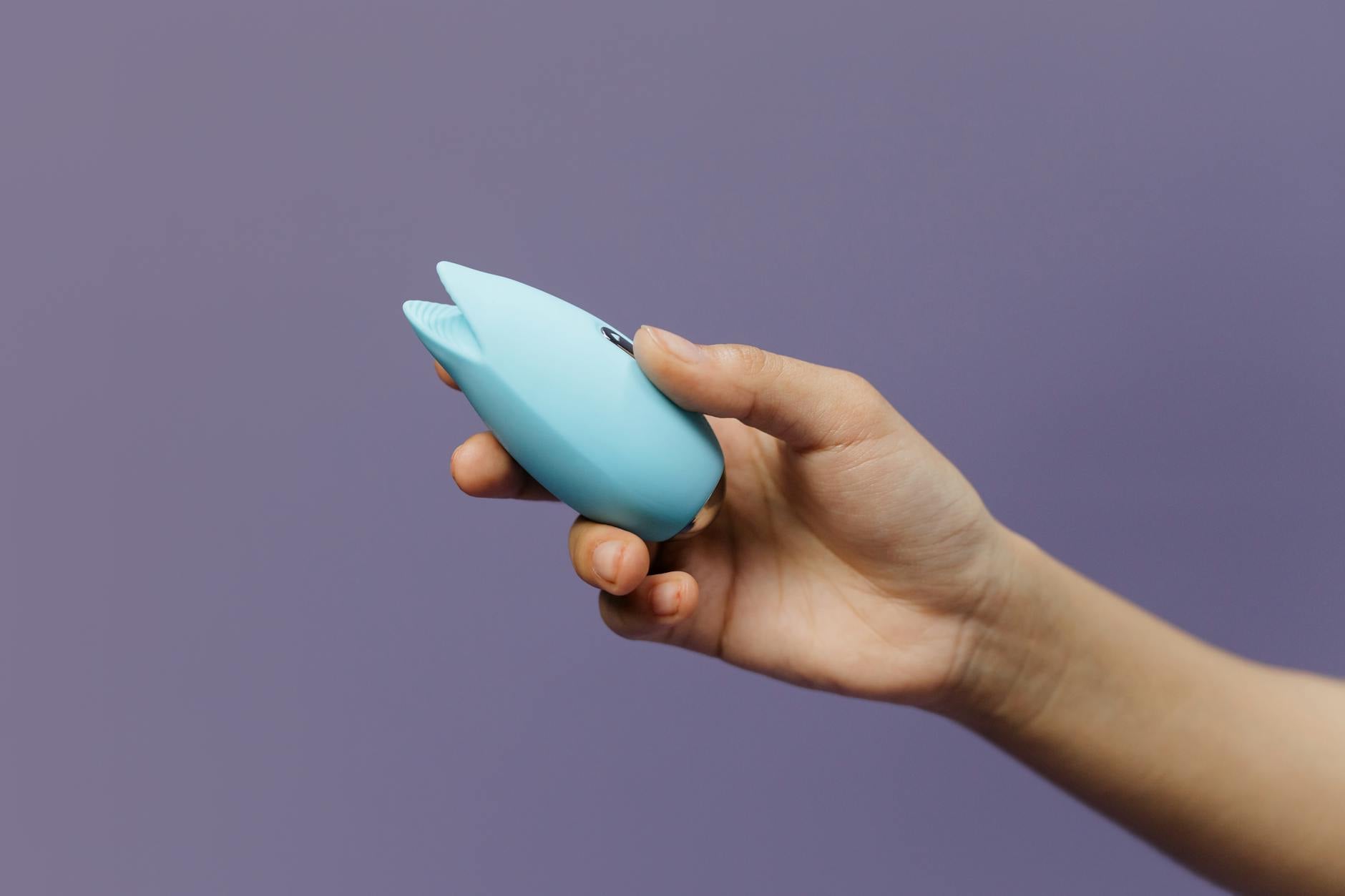
What's wild is that reintroducing touch is one of the fastest ways to reset a relationship's nervous system. Not sex necessarily. Just touch. But here's where it gets interesting: many long-term couples find that toys, especially something like a lemon clitoral vibrator, actually make that reconnection easier than trying to make sex happen.
Why vibrators can fix what fingers alone can't
When you haven't had sex in months, trying to have sex feels like crossing an ocean. There's performance pressure. There's awkwardness. There's the fear that if it doesn't work, you'll have confirmed that your sex life is actually dead.
A vibrator sidesteps all of that. Here's why.
First, a lemon vibrator or any clitoral vibrator removes the "am I doing this right" pressure. You're not relying on a partner's consistency or strength or intuition. The vibrator does what it does. That sounds mechanical, but it's actually liberating. It takes the judgment out.
Second, introducing a toy can feel like permission to make sexuality a thing again. If you've been touch-starved for a year, talking about sex feels impossible. But a toy is concrete. You can show your partner the thing. You can say "I want to feel like myself again." It's less vulnerable than saying "I miss touching you."
Third, lemon vibrators work really well for couples in this specific situation because they're designed for clitoral pleasure, which is fast and reliable. When you're rebuilding intimacy after a long drought, reliable matters. You want the experience to feel good so that you want to do it again.
The reconnection actually starts before sex
Here's what I've seen work in my practice. A couple decides they want to try a vibrator. Sometimes this starts because one partner is frustrated. Sometimes it's because they read something. Doesn't matter. What matters is what happens next.
Usually, they'll use the toy solo first. This reestablishes the person's relationship with their own pleasure. That sounds weird to say, but when you've been touch-starved for years, your body starts to feel like it doesn't have wants anymore. Using a lemon vibrator alone helps you remember that you actually do like sensation. You actually do like orgasm. Your body isn't broken.
Then, when they bring it into partnered sex, something shifts. It's not performance sex. It's not trying to make something work. It's "I want to feel good and I want you to be here while I do." That's a completely different energy.
And because vibrators work so efficiently, the person often finishes. That matters psychologically. When touch-starved couples have sex, it often doesn't work because there's so much rust and pressure. So nobody comes. So nobody's satisfied. So it doesn't happen again. With a vibrator, the odds are high that someone has an orgasm, which makes the whole experience feel successful. Which makes people want to do it again.
The surprising side effect: touch comes back
Here's what I've noticed after working with couples for two decades. Once they reintroduce sexual pleasure, regular touch comes back naturally. Because your nervous system recognizes that this body is a place where good things happen. Your partner becomes associated with safety and sensation, not just logistics.
Often, clients tell me that within a few weeks of reintroducing a vibrator, they're hugging more. Kissing more. Having conversations with the door closed. The toy wasn't the goal. The goal was touch. The toy was just the doorway back in.
How to actually bring this up to your partner
Okay, so you've read this far because you're touch-starved and you're wondering if a lemon vibrator could help. Here's how to talk about it without making your partner defensive.
Don't frame it as "something is missing." Frame it as "I miss us and I want to reconnect." Don't present it as a problem with them. Present it as an idea that might be fun.
Show them the vibrator. Make it a shared thing, not a secret. Something like the Lemon is designed to be pretty and not scary. Let them hold it. Let them see it's just a tool.
Start with solo use. This is not a performance. It's a way of saying "my body still has a nervous system and I want to feel good." Then, if your partner's interested, they can be there. No pressure to do anything except be present.
Expect it to feel weird the first time. That's fine. Weird is progress.
When touch-starvation is a bigger problem
If your partner actively resists, or if you've brought this up multiple times and nothing changes, that's a different conversation. That might mean working with a couples therapist. Because touch isn't frivolous. It's a need. And if one person has decided that they don't want to meet that need, that's something that needs addressing at a deeper level.
But in most cases where couples are just stuck in the inertia of years together, a vibrator can reset the system remarkably fast. Not because the toy is magic. Because it gives you permission to want something, and permission to ask for help getting it.
The practical stuff
If you're going to try this, buy something reliable. Lemon clitoral vibrators are built for sensation and consistency. The pattern doesn't shift or die out mid-use. Water-based lube helps. Communication before, during, and after helps more. And if the first attempt feels awkward, that's normal. You're rebuilding a pathway that got overgrown. It takes a few times.
Your pleasure matters. Not as a bonus. Not as a luxury. As a fundamental part of staying connected to the person who shares your life.
Frequently asked questions
How long does it usually take for couples to reconnect after starting to use a vibrator together?
In my experience, couples often notice a shift in physical affection within two to three weeks of reintroducing shared pleasure, whether with a toy or not. But it depends on how long the drought lasted and whether both people actually want to reconnect. If there's underlying resentment or other relationship issues, a vibrator won't fix those. It's a tool for reconnection when both people are interested in that reconnection.
What if my partner thinks using a vibrator means our sex life is "failing"?
This is worth addressing directly. Help them see it as a tool, not a judgment. A lemon vibrator isn't a replacement for partnership. It's a bridge back to partnership. You might also ask them what they're actually worried about. Sometimes it's not about the toy. It's about feeling inadequate, or fearing they've lost you, or anxiety about their own body. Those are real fears that need real conversation.
Can using a vibrator together become a substitute for actual intimacy?
Yes, if you let it. If you're using the toy to avoid talking, or if it becomes the only way you have sex, that's a red flag. The tool is meant to help you reconnect, not replace connection. The real intimacy is you and your partner choosing each other, talking about what you want, and building something together. The vibrator is just part of that.
Is there a best time in a relationship to introduce toys if you haven't before?
Honestly, the best time is when you need to. If you're touch-starved, that's the time. Don't wait for the "right" moment. There isn't one. There's only the moment where you realize things need to shift and you do something about it. Sometimes that's year five. Sometimes it's year twenty-five.
What if we try this and it doesn't feel comfortable?
That's data. You've learned something about your comfort level or your partner's. Respect that. Maybe try a different approach. Maybe take more time. Maybe talk to a sex-positive therapist. Comfort matters. Forcing it won't help. But also, some discomfort at the beginning is normal. There's a difference between "awkward because this is new" and "actively unsafe." Trust that difference.
How do I know if my partner would be open to this without asking?
You don't. You have to ask. I know that feels vulnerable. But asking is actually the intimate thing. It says "I care enough about us to risk awkwardness." Start the conversation outside the bedroom, when nobody's trying to initiate sex. Say something like "I've been thinking about us, and I miss the physical connection. I'm wondering if you'd be open to trying something together." See what they say. Their answer tells you a lot.
Your touch matters. Your partner's touch matters. And sometimes, reconnecting them is exactly what both of you need.