Here's what nobody talks about
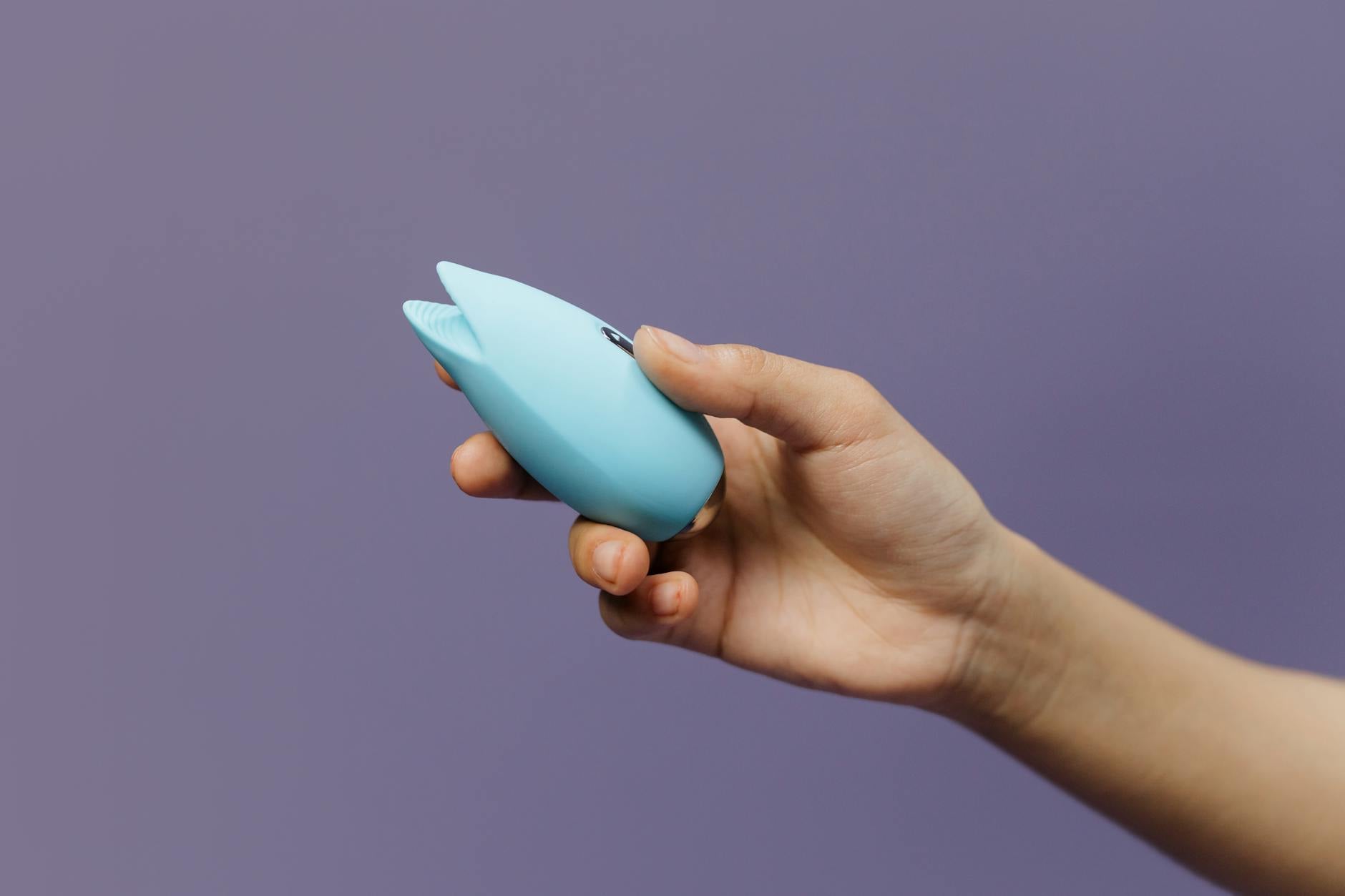
If you're navigating multiple partners or a polyamorous relationship, you've probably noticed something strange: the same lemon vibrator feels wildly different depending on who you're with. Not the toy itself. You. Your nervous system. Your arousal. The whole experience shifts.
Most people assume this means something is broken. It's not. It means you're paying attention.
What actually changes when you have multiple partners
Let's start with the neurobiological reality: pleasure is not a isolated sensation. It's woven into the entire context of who you're with, what you've communicated, what you're feeling emotionally, and how safe your nervous system feels.
When you're with different partners, those contexts are genuinely different. Your nervous system registers this immediately. If one partner has a communication style that leaves you feeling more secure, your pelvic floor relaxes differently. If another partnership involves higher stakes or lingering conflict, your body tenses in ways you might not even notice consciously.
A lemon clitoral vibrator is exquisitely sensitive to these shifts. Because air-pulse stimulation works through subtle suction patterns rather than traditional vibration, it picks up on micro-changes in your arousal state. When your nervous system is more relaxed, the sensation feels deeper and more responsive. When you're carrying tension, the same intensity can feel almost abrasive.
The emotional load changes everything
Here's the thing about multiple partnerships: each one carries its own emotional weight.
Maybe one partner is new and you're still building trust. Maybe another is long-term and stable but has its own unresolved conflict. Maybe a third partnership is sexually charged but emotionally distant. Your body knows the difference between all three before your mind consciously registers it.
When I work with clients navigating polyamory or open relationships, the first thing I ask isn't about the lemon vibrator. It's: "How do you feel emotionally safe in each partnership?" Because here's what research on polyamorous relationships consistently shows: satisfaction isn't about how many partners you have. It's about how clearly you can communicate boundaries and needs with each one.
If communication is muddled, your body stays partially braced. Even with the best clitoral vibrator, that tension limits sensation. If communication is clear and honest, your nervous system settles, and suddenly the same tool feels entirely different.
Arousal timing isn't universal
Another layer: different partnerships often have different rhythms of arousal and desire.
One partner might prefer long, slow builds to intensity. Another might want immediate escalation. One might need verbal reassurance throughout. Another might prefer silence and presence. With a lemon vibrator, these preferences matter because the tool is responsive. It rewards slow, attentive exploration. If you're rushing because you're anxious about a partner's satisfaction, the sensation feels rushed too.
The solution isn't a new toy. It's alignment. Before using a lemon clitoral vibrator or any tool with a partner, get clear on what pace actually works for both of you. Not what you think should work. What actually does. This conversation is worth having separately with each partner.
Shame and comparison can hijack everything
I need to name this directly: many people in multiple partnerships carry baseline shame about their choices, even when they've chosen polyamory consciously.
This shame lives in the body. It dampens arousal. It makes you second-guess whether your pleasure is legitimate. And it makes using any sex toy feel complicated. You might find yourself monitoring whether you're "too into it" with one partner or "not enthusiastic enough" with another. That constant mental referee completely changes sensation.
The lemon vibrator becomes less pleasurable not because anything is wrong with the toy. It's because your nervous system is working overtime managing internal judgment instead of opening to pleasure.
If you notice this pattern, the work isn't about the vibrator. It's about examining where the shame originates and gently challenging it. You deserve pleasure in each partnership, full stop. Not apologetic pleasure. Not rationed pleasure. Actual, undefended, guilt-free pleasure.
Communication patterns and nervous system regulation
Here's something that changed how I understand sexual satisfaction in multiple partnerships: the quality of communication with each partner directly predicts how responsive your body will be.
If you're with a partner who listens when you say "I need slower tonight" and actually adjusts, your body learns to trust that communication. Over time, you relax faster. The Lem vibrator or any lemon clitoral vibrator becomes more effective because your pelvic floor isn't bracing.
If you're with a partner who dismisses your boundaries or makes you feel like you're being difficult, your body stays vigilant. No amount of pleasure technology bypasses that. The vibrator might even feel frustrating because you're not in the nervous system state where pleasure is actually accessible.
This is why I always tell clients: before troubleshooting the tool, troubleshoot the communication. Are you able to say what you actually want? Can you say no? Do you feel heard? If the answer to any of those is no, that's the real friction point, not the clitoral vibrator.
The fantasy versus the reality gap
Sometimes what makes a lemon vibrator feel different with multiple partners is simpler and more uncomfortable: your actual partnership doesn't match the fantasy you constructed around it.
Maybe you thought polyamory would feel liberating and it feels exhausting. Maybe you thought a particular partnership would be hot and it's lukewarm. Maybe you're managing jealousy you didn't expect or loneliness you thought wouldn't happen. The vibrator becomes a mirror for all that unprocessed stuff.
Your nervous system is smart. It registers the gap between what you hoped for and what's actually happening. The Lem vibrator responds to that gap by feeling less intensely pleasurable because, on some level, you're not fully present. Part of you is grieving the fantasy or managing disappointment.
This isn't a dysfunction. It's useful information. It means it's time to honestly assess whether each partnership is actually working, or whether you need to renegotiate what each one is.
What actually helps
If you're noticing that lemon sexual toys or clitoral vibrators feel different across your partnerships, here are three concrete moves:
First, separate the partnerships in your head. Don't compare sensation across partners. Don't assume that what works with one will work with another. Each partnership is its own ecosystem. Your body responds to that ecosystem. Honor it instead of fighting it.
Second, have the specific conversation with each partner about what you actually need. Not what you think you should need. Not what you've read about polyamory. What you specifically need to feel present and pleasurable. This might include different paces, different frequencies of intimacy, different communication styles during sex, or different approaches to using toys together.
Third, notice if you're carrying shame and get curious about where it comes from. Shame is a nervous system state. It literally changes how your body responds to stimulation. If you're holding judgment about your choices, your lemon clitoral vibrator can't bypass that. You have to address the underlying belief first.
The nervous system is always communicating
Your body isn't being difficult when the Lem vibrator feels different with different partners. It's being honest. It's telling you something real about each partnership and your actual emotional state within it. The work isn't to force the sensation to be the same across all contexts. The work is to listen to what your body is already telling you and act accordingly.
Multiple partnerships work best when you stop trying to make them all feel the same and start honoring how genuinely different they are. Your pleasure follows. Everything else follows from there.
FAQ
Can using a lemon vibrator with one partner affect my sensation with another?
Not directly. The vibrator doesn't carry memory or emotional residue. But your nervous system does. If sex with one partner left you feeling disconnected or unsafe, that tension stays in your body and affects how responsive you are with the next partner. This is why post-sex conversation and emotional processing matters. It's not just romantic. It's physiological.
Should I use the same lemon clitoral vibrator with all my partners?
Technically yes. Physically it's the same toy. But I'd recommend thinking about it differently. If using the Lem with one partner feels emotionally different than using it with another, that's information. It might be worth having a separate conversation about that partnership's specific dynamic. Sometimes the vibrator becomes a symbol for larger relationship questions.
Does my partner need to know I use lemon sexual toys solo?
That depends entirely on your relationship agreements. In my experience, couples and groups that communicate openly about solo pleasure have better sexual lives overall. It removes shame and reduces the pressure for all pleasure to happen together. But the right amount of disclosure is yours to decide, and it can be different with different partners.
Why do I feel guilty using a lemon vibrator in a polyamorous context?
Guilt often comes from internalized messaging that multiple partnerships are somehow less legitimate or less deserving of pleasure. You're also managing more relationship dynamics, which can amplify self-doubt. The antidote is specific: acknowledge the guilt exists, then notice it's not actually evidence that your choices are wrong. It's just evidence that you live in a culture with strong monogamy bias. Your pleasure still matters. Your partnerships still matter.
Can a clitoral vibrator help me figure out what I actually want from each partnership?
Indirectly. What you notice about sensation and arousal with different partners can be useful data about those relationships more broadly. If you feel relaxed and open with one partner and tense with another, that tension is telling you something. Not that you need a better vibrator. That you might need a different conversation with that partner or, possibly, a reassessment of whether that partnership still works.
How do I talk to a partner about wanting to use the Lem during sex together?
Simply. "I've been thinking about incorporating a lemon vibrator into our sex. I'm interested because it offers a specific kind of sensation I want to explore with you. Would you be open to trying it?" Then listen. If there's hesitation, ask what's underneath it. Fear that it replaces them? Worry about what it means? These conversations build intimacy, even when they feel awkward at first.
Sources
For anyone interested in the research underpinning this article:
Barnett, B. (2020). "Polyamorous relationship satisfaction across relationship structures: A multilevel structural equation modeling approach." Journal of Social and Personal Relationships, 37(8-9), 2606-2627.
Hutchins, L. & Weiser, D. (2020). "How Much Can People Learn About the Effect of Polyamory on Romantic Relationships from Polyamory Advice Books?" Sexuality & Culture, 24, 827-844.
Rubel, A. N., & Bogaert, A. F. (2015). "Consensually non-monogamous partner relationships: Definitions, distinct approaches, and intersectional identities." In APA Handbook of Sexuality and Psychology (Vol. 2, pp. 439-468). American Psychological Association.
Love, B., & Barker, M. (2020). The Ultimate Guide to Sex and Disability (4th ed.). Cleis Press. [Relevant chapter on pleasure across different partnership structures.]
If you're working through relationship complexity and want support beyond an article, reach out. That's what we're here for.