
How to Use a Lemon Vibrator With Your Partner for Couples Pleasure
Let's be real. Most people bring a toy into partnered sex because something isn't working, and they're hoping the vibrator will fix it. That's backwards. A lemon clitoral vibrator works best when both partners actually want it there.
The gap between knowing a toy could help and actually introducing it is where most couples get stuck. It's not about the vibrator itself. It's about the conversation, the permission, and the shared understanding of what the toy actually means in your relationship.
I work with couples on this exact friction point, and the pattern is always the same. One partner wants to explore. The other feels replaced, inadequate, or like something's being done to them rather than with them. Those feelings aren't silly. They're normal. And they're fixable.
The conversation comes first, not the toy
This is non-negotiable. If you're thinking about using a lemon vibrator with your partner, you need to have a real conversation before either of you sees the device.
Here's what that conversation isn't: "Hey, I want to try a vibrator." (Vague, defensive, lands badly.) Here's what it is: "I've been thinking about ways we could explore pleasure together, and I found this thing I'm curious about. I want to try it together, but only if you're actually into it. What does that feel like to you?"
Notice what that does. It centers together. It says I want this to work for us, not for me. It also gives them space to say no, which is equally important.
If your partner's first reaction is hesitation, that's information, not rejection. Ask what the hesitation is. The most common fear I hear from partners is: "Does this mean I'm not enough?" Listen to that. Don't argue it away. Say something like: "That's not what this is. What I want is for us both to feel amazing. Sometimes our bodies respond to different types of touch, and that's not about you being less." Then pause and let them sit with that.
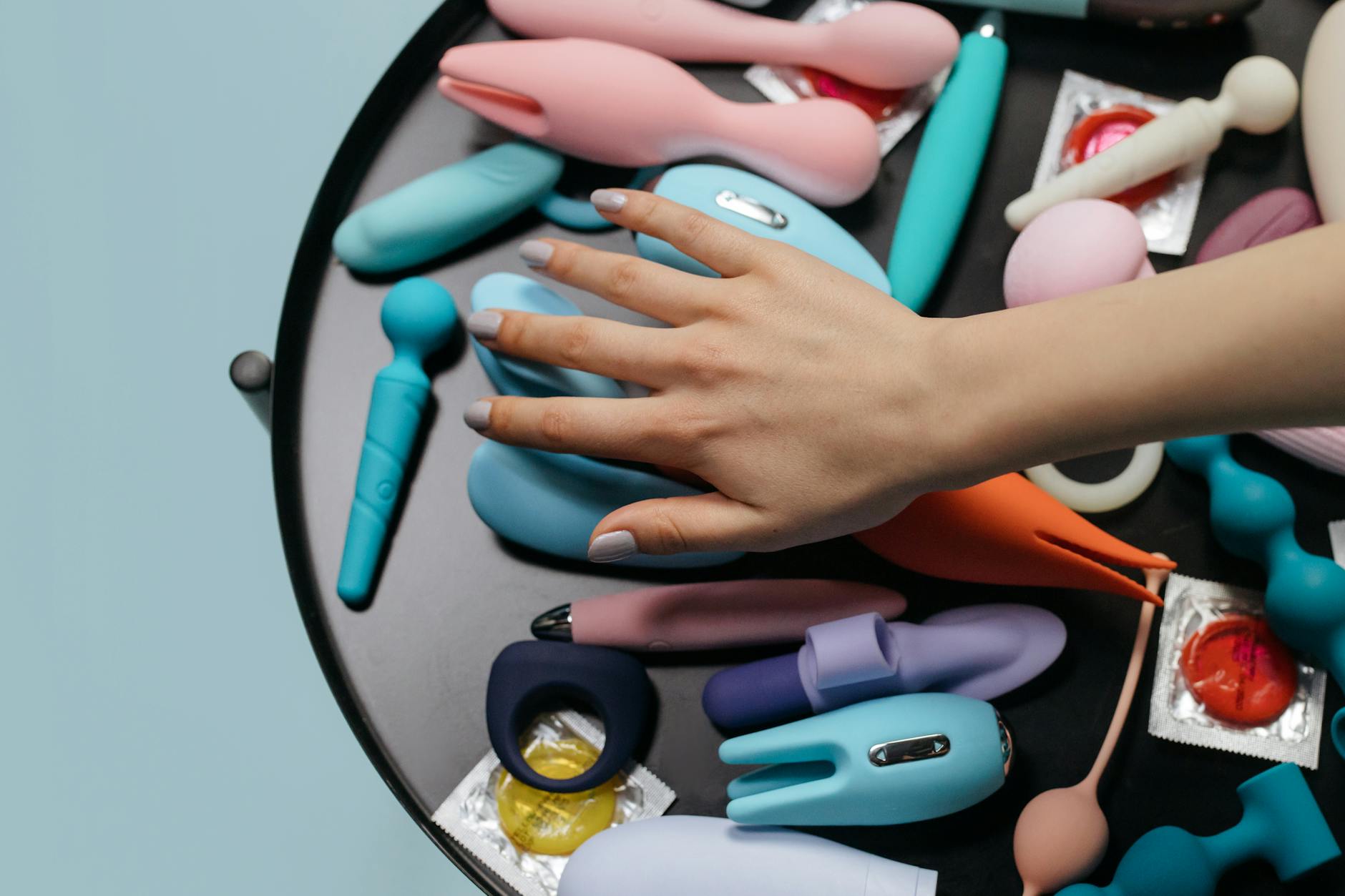
Photo by cottonbro studio on Pexels
Why lemon vibrators work differently in partnered sex
A lemon sucker vibrator like the Lem uses gentle suction combined with vibration. The difference matters. Suction feels less invasive to partners because it's not a penetrative device. It sits on the outside, which means there's still space for them to be involved without the toy taking over.
If your partner's worry is "Will I become invisible," a clitoral vibrator specifically actually helps. It's external. It's visible. They can watch it work. They can hold it. They can touch you while it's being used. That's dramatically different from a toy you control alone.
What you're doing is adding sensation, not replacing contact. A lemon vibrator enhances what's already happening. Your partner's touch, your breathing, your attention to each other. The toy amplifies, not substitutes.
The mechanics of integration
There are roughly four ways to use a lemon clitoral vibrator in partnered sex. Most couples land on one and stick with it, but knowing the options helps you troubleshoot what feels right.
The assisted approach. Your partner holds and controls the vibrator. This keeps them active and in charge. It's the easiest entry point for partners who are nervous. They get to set the pace, intensity, and pressure. You're surrendering control to build trust. This is genuinely powerful.
The together approach. You both hold it, or they hold it and you guide their hand. This requires communication in the moment. "Up a bit," "slower," "stay here." It's collaborative. Partners often find this takes the pressure off them to "know" what you want, because you're directing it together.
The simultaneous approach. You control the lemon vibrator while they stimulate you in other ways. They might use their hands, mouth, or inside contact. The toy handles external sensation, they handle everything else. This works beautifully if you're already comfortable being touched multiple ways.
The solo approach. You use the vibrator while they watch, touch you, or stimulate themselves. Some partners find this incredibly hot. Others feel like they're watching rather than participating. Check in on this one.
Start with the assisted or together approach. Both require your partner to be actively involved. That matters psychologically. They're not sitting on the sidelines. They're steering.
The physical realities no one discusses
When you first introduce a lemon vibrator with a partner, the sensation is different than using it alone. You're aroused differently. You might be more self-conscious. The pressure to orgasm might actually go up instead of down.
This is why warm-up time matters even more with a partner present. You need longer to settle into pleasure when someone else is involved. That's not a flaw. It's just how nervous systems work.
Also acknowledge: you might not orgasm the first time. Your partner might feel disappointed or like they failed. Head this off by saying something like: "This is new for us. The first time is usually about exploring, not finishing. I'm just happy we're trying this together." That takes enormous pressure off both of you.
If a lemon sucker vibrator feels too intense when your partner's watching, that's normal. You might need to start on a lower pattern than you'd use alone. That's fine. The point is pleasure, not proving anything.
Addressing the unspoken worry
Your partner is probably thinking one of these things: Am I not enough? Will you prefer the toy to me? Is this the beginning of something I'm uncomfortable with? Does this mean our sex life is broken?
None of those are true, and none of them are silly. Bring them into the light.
The most effective thing I've seen couples do is have your partner use the toy on you first, so they understand what it feels like. They get to control it. They see your actual response. Suddenly it's not mysterious or threatening. It's just a tool that makes you feel good, and they're the one making that happen. That's a mindset shift.
After that, ask them what they want from the experience. Do they want to use it? Watch? Help? Get involved in a different way? Don't assume. They might surprise you.
Building sustainable pleasure together
The lemon vibrator is part of your sexual toolkit now, not a substitute for partnered touch. You'll use it sometimes, skip it other times. That's completely normal. The goal is flexibility, not replacement.
Check in after a few experiences. What felt good? What felt off? What do you both want to try differently? This ongoing conversation is what keeps toys feeling integrated instead of awkward.
Also: using a toy doesn't mean your partnered sex is broken. It means you're both committed to pleasure. That's the opposite of broken.
Common questions couples ask
Will my partner feel replaced if I use a lemon vibrator?
Not if the vibrator is part of partnered sex, not separate from it. The difference is huge. A toy that exists within your sexual time together is integrated. A toy that replaces partnered contact feels isolating. Keep the toy inside your sex life, not instead of your sex life.
Should I ask permission every time, or does it get old?
First few times, yes. After that, you can read the moment. But here's the thing: periodic check-ins are actually sexy. "Want me to use this tonight?" isn't killing the mood. It's showing you care about their comfort. That's intimate.
What if my partner wants to use the lemon vibrator on themselves instead of me?
Wonderful. Let them. Some partners feel more comfortable exploring a new toy on their own terms first. This also expands pleasure in your relationship. You're both learning what works. That's the whole point.
Is there a best position for using a lemon clitoral vibrator together?
Positions where you can both see each other and touch easily work best. Face-to-face or side-by-side. Spooning also works if one of you is controlling the toy. Avoid positions where you're disconnected visually or physically. The toy is an addition to intimacy, not a replacement for it.
How do I know if my partner is actually comfortable with this or just going along with it?
Ask directly. Not during sex. After. "How was that for you? Did anything feel off?" If they give short answers or seem distant, there's probably something unspoken. That's your cue to slow down and have another conversation. Use the clitoral vibrator when you're both genuinely into it. Forced pleasure isn't pleasure.
What if we try it and it doesn't work for us?
Then you stop using it. Not every tool works for every couple. That's not a failure. Some partners genuinely prefer partnered sex without toys. That's a valid choice. The conversation itself, though—that part stays valuable. You've opened a door about pleasure and communication. That doesn't close.
The real benefit
Using a lemon vibrator with your partner isn't actually about the vibrator. It's about saying: your pleasure matters. Our pleasure together matters. I want to explore that with you. I trust you. I want you to want this too.
That conversation, and the willingness to have it, is what changes couples. The toy is just the excuse.
If you're ready to explore further together, I'd recommend starting simple. A lemon clitoral vibrator like the Lem is discreet, easy to control, and works beautifully in partnered contexts because of that external suction design. But the real work happens before you buy anything. It's the conversation. Start there.
Want to talk through how to frame this with your specific situation? Reach out. That's what I'm here for.
References and further reading
If you'd like to dive deeper into couples communication around pleasure, these resources are worth exploring:
- Gottman Institute research on couples intimacy and communication
- Emily Nagoski's "Come As You Are" on the science of female pleasure in partnered contexts
- The American Association of Sexuality Educators, Counselors and Therapists (AASECT) for evidence-based approaches to sexual health in relationships
The most important reference, though, is your own conversation. What works for other couples might not work for you. Trust that you and your partner know what serves your specific dynamic best.