When numbness is the actual problem, not the excuse
Here's the thing about reduced sensation. It's real. It's not in your head. And it's wildly more common than anyone talks about. Neuropathy from diabetes, lingering effects from certain medications like SSRIs or antihistamines, or just the slow fade that comes with age or hormonal shifts can all genuinely dull sensation in your most sensitive areas.
The lie you've probably been told: if you can't feel much, a vibrator won't help. The truth: the right lemon vibrator, used the right way, often helps rebuild what numbness took.
What reduced sensation actually means for pleasure
When sensation drops, your nervous system isn't broken. It's working, just quieter. Your clitoris has thousands of nerve endings, and even if some of those signals are dampened, there are still plenty of pathways left. The problem is that light touch, which might normally feel amazing, now feels like nothing. You need a different kind of stimulus.
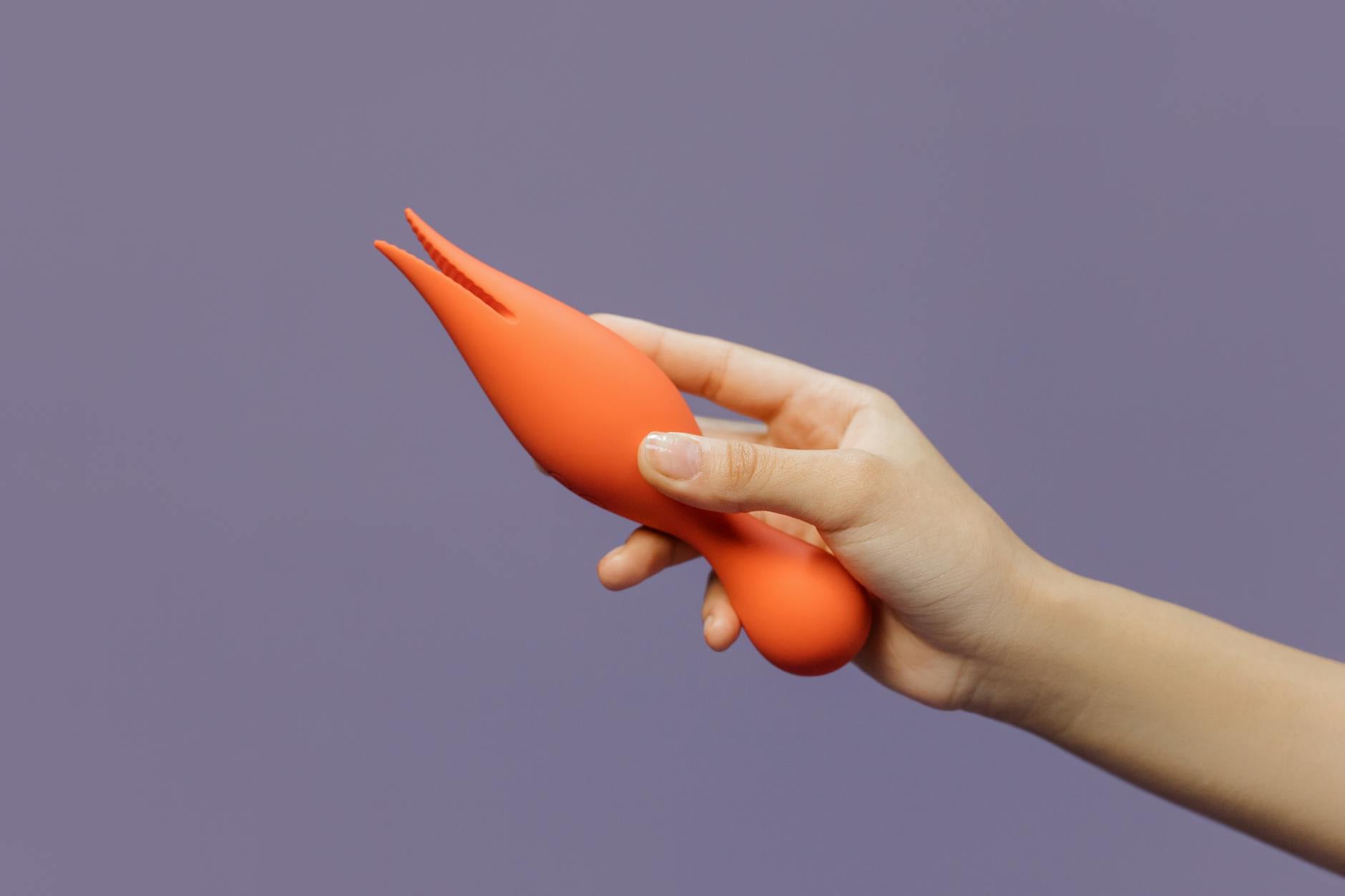
This is where air-pulse technology changes everything. A lemon clitoral vibrator like the Lem uses gentle suction combined with rhythmic pulsing. It's not vibration alone. The pressure and release pattern your body can feel even when direct sensation is compromised. It stimulates nerves in a way that bypasses some of the numbness.
The key phrase here: stimulation, not sensation. Your body can respond to input even when you're not consciously feeling it the way you used to.
Why standard vibration might feel like nothing
Conventional vibrators rely on rapid oscillation at a single point. When your nerve endings are dulled, that quick back-and-forth can disappear entirely. You crank the intensity, chase the feeling, and end up frustrated. Or worse, you stop trying.
Here's what makes lemon vibrators different. The Lem's air-suction pattern creates pressure waves. These work deeper than surface vibration. They engage your nervous system differently. Many people with reduced sensation find that pulsing patterns feel more noticeable than straight vibration, and patterns with longer pauses between pulses feel more distinct.
Starting over when numbness is new
If you've recently lost sensation (whether from medication, diagnosis, or other change), your nervous system needs a reset period. Three things help.
First, lower your expectations about speed. Your body won't warm up the way it used to. Budget 20-30 minutes instead of 10. This isn't wasted time. The slowness itself helps rewire your nervous system and can restore responsiveness over weeks.
Second, start with patterns, not intensity. Turn your lemon clitoral vibrator to pattern mode and cycle through. Some patterns will feel like nothing. Others will register. You're looking for the one that feels distinct, not the strongest one. The strongest one might be the one you can least feel.
Third, use it consistently, not desperately. Once every few days, paired with exploring touch on other parts of your body, helps more than daily sessions hunting for the one perfect setting. Your nervous system learns through repetition and gentleness.
The numbness-medication connection
Certain medications genuinely affect genital sensation. SSRIs, some antihistamines, and diabetes medications are the usual culprits. If numbness arrived with a medication change, this is worth mentioning to your doctor. Sometimes adjusting timing (taking the pill at night instead of morning), switching to a different med in the same class, or adding something to counteract the side effect actually helps.
But here's what I tell most clients: don't wait for medical permission to explore what still works. A lemon vibrator isn't a treatment. It's a tool for remembering what pleasure feels like while you sort out the medical piece.
The progression that actually restores sensation
I've worked with many people rebuilding pleasure after numbness. This is the sequence that helps most.
Week 1-2: Pattern exploration. Use your lemon clitoral vibrator on the lowest pattern settings. Spend 10-15 minutes exploring which patterns create even faint sensation. Don't chase orgasm. You're gathering data.
Week 3-4: Intensity mapping. Pick the two patterns that felt most distinct. Now slowly increase intensity on each one while noting what you feel. You'll likely find one intensity level where things suddenly register better. Mark that.
Week 5-6: Consistent use. Use that pattern and intensity level 2-3 times per week. Your nervous system will start anticipating the stimulus, and sensation often gradually returns. Not always to baseline. Sometimes to something different but equally pleasurable.
Week 7 onward: Variation. Introduce new patterns, different positions, dual stimulation if you want it. By now you've rebuilt the basic pathway and can experiment without losing the thread.
This timeline isn't magic. Some people regain sensation faster. Others find it returns in waves. But the pattern of slow, consistent exploration beats frantic intensity-chasing every time.
What works when neuropathy is involved
Diabetic neuropathy and other nerve conditions are different from medication-related numbness because the underlying nerve damage is permanent. But even here, sensation often improves. Your nervous system is plastic. It learns new pathways.
With neuropathy, the Lem's suction approach often works better than traditional vibrators because it's less dependent on feeling subtle vibration. The pressure and release cycle is a bigger, easier signal for your compromised nerve endings to pick up. Start slower than you think you need to. Your body will surprise you.
Also worth knowing: numbing creams and desensitizing products are the opposite of what you want. You're trying to wake sensation up, not numb it further. Skip those entirely.
Combining sensation work with other touch
The mistake most people make when they have low sensation is isolating the vibrator. They use it alone, in the dark, hunting for the feeling. Better approach: use your lemon vibrator as part of a bigger sensory practice.
Begin with your partner or solo, 5-10 minutes of slower touch on your thighs, belly, breasts, neck. Whatever parts of you still have clear sensation. This wakes up your nervous system's pleasure networks. Then introduce the vibrator. The context matters. Your body is primed.
If you're using a lemon clitoral vibrator with a partner, tell them exactly what you're doing and why. "I'm rebuilding sensation, so I might not react the way I used to, and that's okay" removes the pressure. Partners often assume slow response means low arousal. It doesn't.
When to add lubrication
With reduced sensation, lubrication becomes more important, not less. Water-based lube helps the suction seal properly on the Lem and reduces friction that might feel uncomfortable. It also psychologically signals "this is pleasure time," which helps your nervous system engage.
Silicone-based lubes feel richer and can enhance sensation for some people, but they'll damage silicone toys, so stick with water-based. Reapply every 5-10 minutes. If it dries out, sensation drops further.
The patience part
Honestly, the hardest piece of this isn't technique. It's accepting that rebuilding sensation takes time. Your body is rewiring. That takes weeks, sometimes months. Most people give up after 2-3 sessions because nothing dramatic happens immediately.
But the people who stick with it report that sensation gradually returns. Not always to exactly what it was. Sometimes better. Sometimes different but equally pleasurable. The key is showing up consistently, without desperate expectation, and treating the lemon vibrator as a partner in the process, not a magic fix.
Your pleasure matters, even when sensation is compromised. Especially then.
FAQ: Numbness and lemon vibrators
Q: Can low sensation ever fully come back? A: It depends on the cause. Medication-related numbness often improves with time and consistent stimulation. Neuropathy from diabetes or nerve damage can improve but might not return to baseline. Even partial restoration of sensation is worth pursuing, and many people find their actual orgasmic response is stronger than they expected once they get there.
Q: Should I use a lemon vibrator or a wand vibrator if I have numbness? A: Air-pulse technology like the Lem tends to work better for low sensation because the pressure-and-release pattern is easier for compromised nerves to detect. Traditional vibrators rely on you feeling the rapid oscillation. If you have neuropathy specifically, start with a lemon clitoral vibrator before investing in other toys.
Q: How long until I notice a difference? A: Most people report subtle shifts within 2-3 weeks of consistent use. More noticeable changes, like faster arousal or stronger sensation during orgasm, usually emerge around week 5-6. Be patient. Your nervous system is learning.
Q: Is it normal to feel nothing the first few times I use a lemon vibrator? A: Completely normal. Your nervous system is dulled. Give it time. Some people don't feel much until week two or three of consistent use. Don't increase intensity hoping to force sensation. Work with patterns and timing instead.
Q: Should I tell my doctor I'm using a sex toy if numbness is from a medical condition? A: You don't have to disclose the sex toy, but mentioning that you're working on rebuilding sensation is worth discussing. They might have advice on timing medications, additional treatments, or whether the numbness might improve over time.
Q: Can using a lemon vibrator regularly actually increase sensation permanently? A: Yes, for many people. Regular stimulation helps your nervous system rebuild its responsiveness. It's not a cure, but it's a practice that often leads to genuine improvement. Some of my clients report that sensation remains elevated even on days they don't use the toy.
The takeaway
Reduced sensation changes pleasure. It doesn't end it. A lemon clitoral vibrator, especially one that works through air-pulse technology, often helps rebuild what numbness took. Start slow, commit to the pattern, and trust your nervous system's ability to learn. Your body is still capable of extraordinary sensation and response. It just needs patience and the right kind of stimulus to find its way back.