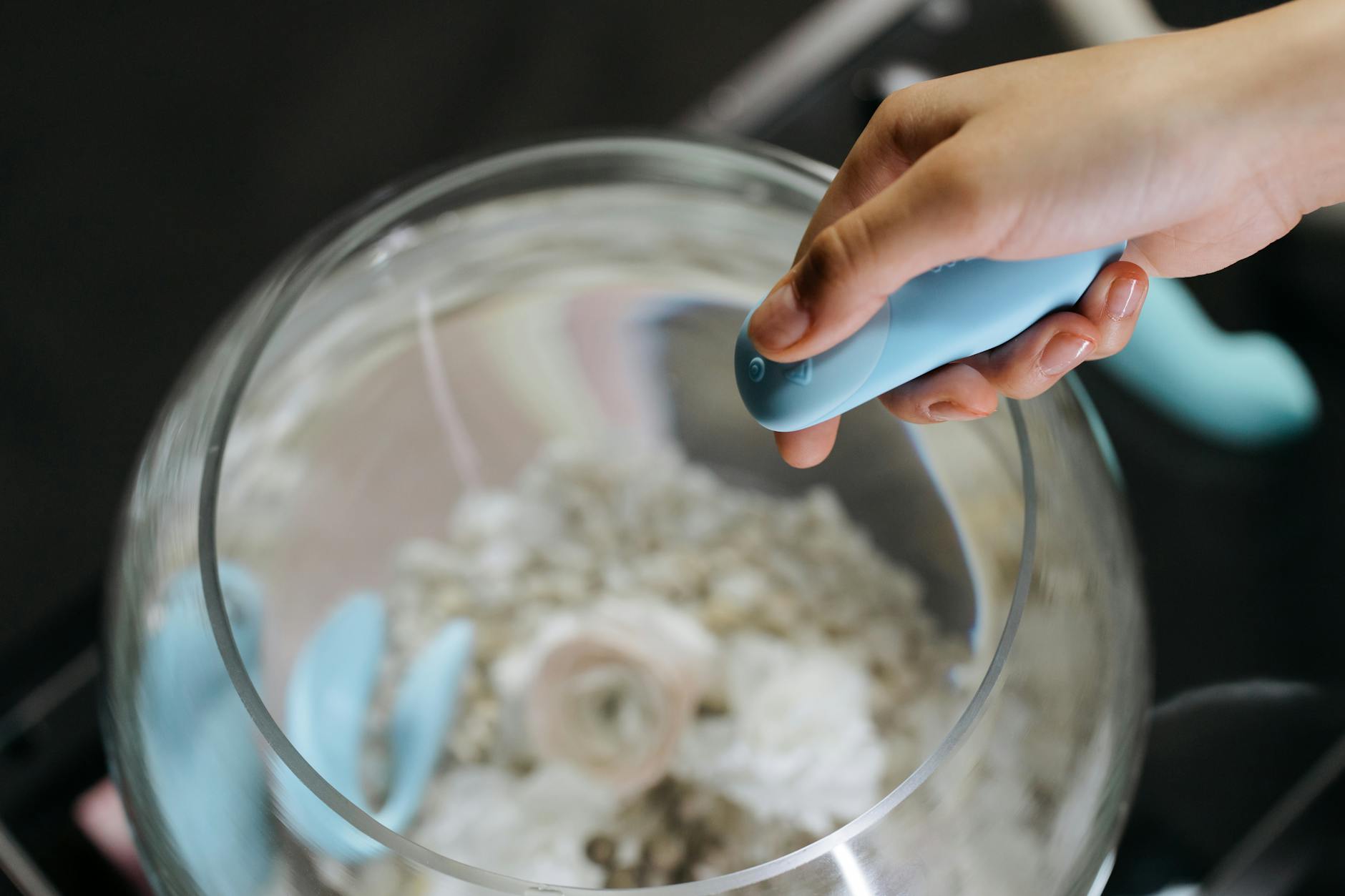
How to Use a Lemon Vibrator When You Have Less Natural Lubrication
Less wetness doesn't mean less sensation. Here's what's actually happening, why it matters, and how the right lube and toy choice can make everything feel better than before.
Less natural lubrication happens to almost everyone at some point. Hormonal changes, stress, medication, age, arousal patterns that shift. And yet the conversation around it stays weirdly silent, like dryness is a personal failure instead of a normal physiological fact.
Let me be direct: it's not. Your body isn't broken. Your desire hasn't changed. What's changed is one physical variable, and once you understand it, the fix is straightforward.
Natural lubrication comes from blood flow and hormonal signaling. When either one shifts, moisture decreases. The culprits are more varied than most people realize.
Obvious ones: hormonal birth control, certain antidepressants, antihistamines, menopause. Less obvious ones: dehydration (seriously, drink water), stress hormones suppressing arousal response, relationship tension that makes your nervous system stay vigilant instead of relaxing into sensation, even just aging, which changes tissue elasticity without changing your capacity for pleasure.
Here's the thing that gets missed: less natural lubrication does not mean less arousal, less desire, or less orgasmic potential. It means one mechanical variable changed. The fix is external lubrication, the right toy design, and sometimes a conversation with a doctor if the dryness is also causing discomfort.
When tissues are thinner or drier, direct friction from a vibrator can feel uncomfortable or even raw. This is why a traditional vibrator sometimes stops feeling good. The motor is doing the same thing it always did, but the tissue condition changed, so the sensation profile changed.
This is also why air-pulse toys like the Lem work so differently for people with less lubrication. The Lem uses gentle suction instead of constant friction. It doesn't require you to be maximally wet to feel incredible. The seal creates stimulation through air movement and gentle pressure, not grinding. For people dealing with less natural lubrication, it often feels like a relief. You get intensity without the friction burn.
Not all lubes are equal. Here's what actually works.
Water-based lubricants are your default. They're compatible with silicone toys, wash off cleanly, and feel close to natural lubrication. Brands like Sliquid, Uberlube, or even basic versions from drugstores work fine. The key is picking one that's thick enough to last through a session. Thin, watery lubes dry out fast and you'll be reapplying every few minutes.
Silicone-based lubricants feel richer and last longer, which is genuinely useful when you're working with less natural moisture. The catch: they damage silicone toys. If your Lem or other toy is silicone, silicone lube is off-limits. Glass or stainless steel toys? Go ahead.
Hyaluronic acid lubes are newer and worth trying. They're designed to replicate the texture of natural lubrication and tend to feel less sticky than pure water-based options. If you have sensitive skin or less lubrication, these are worth a test.
Application matters too. Most people underapply. You need enough that it actually reduces friction, not just a light coating. For the Lem specifically, apply lube generously to the entire dome and to your skin. The seal needs slip to work properly.
I recommend air-pulse clitoral vibrators to people with less natural lubrication more than any other toy type. Here's why they work.
Traditional vibrators rely on direct contact and friction for stimulation. Less lubrication means more potential discomfort. Air-pulse toys like the Lem work through gentle suction and air movement. The suction creates a seal, which means the toy doesn't slide around on dry skin. That seal is actually what generates the sensation. It's elegant design solving a real problem.
Start with pattern one or two on the Lem. The lower patterns feel less intense and work beautifully with generous lubrication. You're not trying to blast yourself into sensation. You're using the toy as designed: gentle suction plus your own arousal building over time. Most people find they actually reach orgasm faster with this approach because the sensation is concentrated rather than scattered.
When you have less natural lubrication, arousal buildup might take a little longer. Budget an extra 5 to 10 minutes for foreplay or solo exploration. This isn't a drawback. It's actually an advantage.
Take time exploring your own body first. Use your hands, a partner's touch, whatever builds your arousal. Once you're genuinely turned on, start with the toy. You don't need to be soaking wet to use a Lem or any air-pulse toy well. You need to be genuinely aroused, which is a different thing entirely.
The lube is there to eliminate friction, not to replace arousal. If you apply lube but you're not actually turned on, it'll still feel mechanical. Get turned on first. Add lube. Then use the toy. Sequence matters.
If dryness is causing pain or discomfort during sex, don't ignore it. Genitourinary syndrome can happen at any life stage and responds really well to treatment. A gynecologist can prescribe topical estrogen cream, vaginal moisturizers designed to increase tissue hydration, or even low-dose oral medications. These are not extreme measures. They're standard care.
If dryness appeared suddenly after starting a medication, mention it to your prescriber. Sometimes switching to a different dosage or alternative drug helps. Sometimes the dryness stabilizes after a few months. Either way, it's a conversation worth having.
If less lubrication is paired with lost desire or difficulty reaching orgasm, that might point to something else: stress, relationship tension, or a different hormonal shift. That's also worth discussing with a doctor or therapist.
Sometimes less lubrication gets psychologically tangled up with feeling less sexy or less desirable. This is where partnership communication matters. If you have a partner, tell them what's happening. Not as an apology. As information.
"My body's producing less natural lubrication right now. It's not because I'm less attracted to you. It's a physical thing. Here's how we can work with it: more foreplay, lube, maybe trying a different kind of toy." That's not a failure conversation. It's a problem-solving conversation. And honestly, couples who navigate this together often find their sex life gets better, not worse, because they're communicating more clearly.
If you're solo, the same logic applies internally. Less lubrication isn't a sign you're doing something wrong. It's your body giving you information about what it needs. Respect that information and adjust accordingly.
Once people adjust to less natural lubrication with the right tools and approach, they often report that their pleasure actually deepened. Not because the lube or toy is magical. Because understanding what their body needed made the whole experience feel more intentional.
You're not fighting your body. You're working with it. And that shift in mindset tends to ripple into better arousal, better communication with partners, and honestly, better sex. Your body isn't failing you. It's just asking for a small adjustment.
Yes, completely. Hormonal cycles, stress levels, hydration, medication, relationship tension, arousal patterns. All of these affect lubrication. If it's happening consistently and bothering you, mention it to a doctor. If it's sporadic, it's usually just a normal body variation.
You can use any toy with enough lubricant. Air-pulse toys like the Lem just tend to feel better for people with less natural moisture because they don't rely on friction. But a traditional vibrator works fine if you're generous with lube and patient with arousal buildup.
There's no such thing. More lube means less friction, which is the whole point. If it feels messy, that's fine. Put a towel down. The lube is doing its job. You're not applying too much if you're still able to use the toy effectively.
No. It might take longer, and it might require different tools or approaches, but your orgasmic capacity doesn't change. You have the same nerve endings, the same brain pathways. You're just working with a different tissue condition. Once you adjust your approach, orgasm is absolutely still on the table.
Mention it to the doctor who prescribed it. Don't assume it's permanent. Some medications cause dryness that improves over time, or your doctor might suggest an alternative. It's a side effect worth discussing openly.
Less lubrication is a single symptom. Genitourinary syndrome involves dryness, pain, itching, and sometimes difficulty with penetration. If you only have the lubrication piece and it's not causing pain, you're managing a symptom. If you have multiple symptoms or pain, that's genitourinary syndrome and worth seeing a gynecologist about. Treatment is straightforward and very effective.
Less natural lubrication is not a problem to solve. It's a body variation to work with. Once you do, pleasure doesn't disappear. It just takes a slightly different path to get there. And sometimes that path is actually better than the one before.