Here's the thing nobody tells you about coming back
Your body doesn't forget how to feel good. But it does get quieter. Whether you've been away from pleasure for six months, three years, or a decade, the guilt and the "what if I'm weird now" talk is louder than the actual physical adjustment. Let me separate those two problems right now. Physically, reintroducing a lemon vibrator after a long break is straightforward. Emotionally, you might need permission more than you need instructions. Here it is: you're not broken, you're not behind, and starting again is actually one of the most grounded things you can do for yourself.
The common reasons people step away from pleasure are real and varied. Life gets heavy. Partners change. Your body changes. Grief, illness, depression, or just the slow fade of daily life can push pleasure so far down the list that it stops feeling accessible. Then when you want to come back, the gap feels enormous. It's not. Your nervous system remembers how to receive sensation. Your clitoris is still there, still responsive, still capable of exactly what it always was. A lemon vibrator, specifically, is one of the best tools for this restart because it doesn't require you to already be aroused to feel the effect. That's the whole point of air-pulse stimulation. You can start small and build from there.
Why starting slow isn't weakness, it's sense
When you've been away from sexual pleasure for a while, your body's sensitivity patterns shift. This isn't a permanent change. It's just adaptation. Your pelvic floor might be tighter. Your arousal response might take longer to wake up. Your clitoris might feel less responsive to lighter touch than it used to, or it might feel oversensitive to anything direct. Both are completely normal. Both change once you start again.
The mistake most people make is treating their return like they're jumping back to where they left off. "I used to love intensity 5, so I'll start there." That's how you end up feeling disappointed or even hurt. Instead, treat this like you're discovering a lemon vibrator for the first time, even if you've used one before. Start at pattern 1, the gentlest setting. Spend two or three sessions just letting your body adjust to the sensation without any pressure to feel anything specific. This is the unsexy, non-negotiable part. It takes patience. But patience right now saves you frustration later.
The emotional reset that matters more than the physical one
Longer break from pleasure, different reasons. Some people step away because of relationship shifts or partnership changes. Some because depression or anxiety made pleasure feel impossible. Some because of health issues, medication side effects, or just the sheer weight of caregiving or work. Whatever your reason, there's usually a story underneath it. That story doesn't vanish when you pick up a lemon clitoral vibrator. You have to address it first, or the tool becomes a way to distract from the actual issue instead of a way to reconnect.
Before you pull out the vibrator, get clear on why you're coming back. Is this for you, genuinely, or because you think you should? Is there shame attached to stepping away, and if so, can you release it before you start again? Are there relationship dynamics that need a conversation before pleasure becomes relevant? These aren't obstacles. They're actually entry points. Most people find that the intentionality required to answer these questions is what makes the return feel meaningful instead of mechanical.

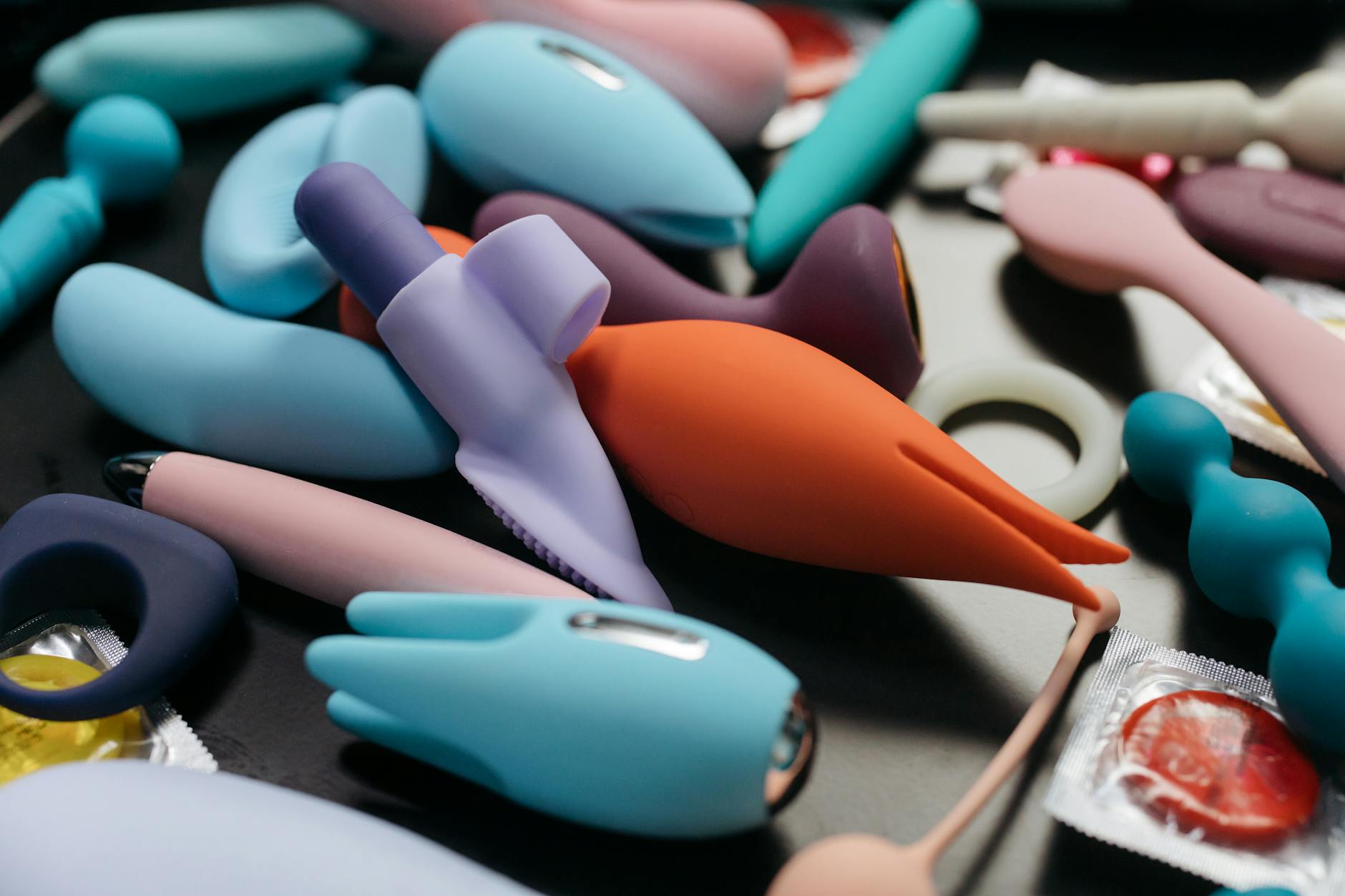
Photo by Ihsan Adityawarman on Pexels
The first session. Actually, what to do.
Pick a time when you're genuinely alone and unhurried. Not five minutes before bed. Not squeezed into a lunch break. This matters because your nervous system needs to feel safe before your body can feel anything else. If you're listening for footsteps or watching the clock, your clitoris won't respond well, and you'll interpret that as "I'm broken" when it's actually "I'm nervous." Create basic comfort. Dim lighting, warmth, a place where you can fully relax.
Start with your hands. This isn't about being romantic. It's about waking up sensation. Spend ten minutes just touching your vulva in ways that feel gentle and curious, not goal-oriented. No vibrator yet. The goal here is to notice what feels good and what feels numb or weird. Your brain needs a baseline. When you pick up the lemon vibrator, start at setting 1. Don't go looking for sensation. Just let it sit there. Feel the warmth of the device, the gentle rhythm, the vibration against your skin. You might feel something immediately. You might feel nothing. Both are fine. Either way, you're teaching your body that pleasure is safe and available again.
Keep that first session short. Maybe five to ten minutes. You're not trying to have an orgasm. You're introducing yourself to the tool and to the feeling of being present in your own pleasure. That's genuinely enough. Stop before you're bored or frustrated. This is about positive association, not achievement.
How to know if you're pushing too hard
After a long break, your clitoris might feel hypersensitive or completely numb. If it's hypersensitive, dial the intensity down even lower. Put the vibrator over your underwear first, or use it at a distance from your vulva. Let your body acclimate. If it feels numb, resist the urge to jump to higher intensities immediately. Instead, spend more time at lower settings. Use lubricant, which helps sensation travel more effectively. Consider whether there's an underlying physical reason like medication side effects. If numbness persists beyond two or three weeks of regular gentle use, check in with a healthcare provider.
Watch for frustration, which is the biggest red flag. If you find yourself tensing up, annoyed that you're not feeling what you expected, or using the vibrator with gritted teeth, stop. Step away. This isn't about willpower or pushing through. Coming back to pleasure requires the opposite. It requires meeting yourself where you are, which sometimes means taking another break and trying again next week.
Building back to pleasure takes actual time
Week one is about introduction. Week two, you can add a few minutes if it feels good, and maybe try pattern 2 if you want. Week three, you're building a tiny bit of duration and can explore a few more settings. This gradual pace sounds glacial. It's not. Most people find that by week four, pleasure starts to feel familiar and available again. By week six, many experience orgasms. But the timeline is genuinely individual. Someone coming back after six months might reach that point faster than someone coming back after ten years. Both are normal. Comparison serves no one here.
One reality that helps: the more frequently and consistently you do this, the faster your body remembers. If you can do it three times a week, your nervous system recalibrates faster than if you do it once a month. That doesn't mean force yourself. It means that once you find a time and a rhythm that works, sticking to it matters more than intensity.
When you're trying to bring a partner back in
If you're coming back to pleasure in a partnership, that's a different conversation from a solo restart. A partner needs to understand that this is your process, not about them or their role. They might want to be involved immediately. That's fair instinct, but it's worth slowing down. Come back to pleasure solo first. Get reacquainted with your body and what it needs. Then, when you're ready, you can invite your partner in.
When you do, the conversation matters more than the act. "I'm restarting my sexual life, and I'd like to do it slowly and without pressure" is completely different from "I want to have sex again." One gives your partner a role as a supporter in your process. The other creates expectation. You want the first one. The lemon sucker or lemon clitoral vibrator can be part of that later conversation if it feels right. But it doesn't need to be the centerpiece of reconnection. Sometimes the best bridge back to shared pleasure is talking about it first, taking time, and letting your nervous systems calm down together before any tools come out.
Actually, what if the guilt doesn't go away
Some people come back to pleasure and the shame follows them right in. You feel like you should have never stepped away. You feel like there's something wrong with you for needing a break. You feel like you've wasted time. These feelings are real. They're also not actually about the vibrator or the pleasure itself. They're about internalized messages that your body always owes pleasure to someone else, or that stepping away means failure. You might need more than a guide. You might need to talk to a therapist about why pleasure feels so loaded. That's not weakness. That's actually the smartest thing you can do. Pleasure works best when it's genuinely for you, not something you're performing or recovering or compensating for.
FAQ: Coming back to pleasure
How long after a long break before I feel sensation again?
Most people report feeling something within the first week, though it might be subtle. Full sensation and arousal typically return within two to six weeks of consistent, gentle use. Everyone is different. Some bodies bounce back faster. Some need more time. Patience here prevents disappointment.
Can I use a lemon vibrator if I'm feeling disconnected from my body?
Yes, but with intention. Disconnection often happens alongside long breaks from pleasure. The vibrator itself won't fix that. It can be a tool to gently reconnect, but you might benefit from pairing it with grounding practices like breathwork or body scanning. If disconnection feels like dissociation, check in with a therapist first.
Should I use lubricant even if I don't have dryness?
Yes. Lubricant isn't just for dryness. It helps sensation travel more effectively, reduces friction, and makes the experience feel smoother. Water-based lube works best with silicone lemon vibrators. It's not an admission that something's wrong. It's just a helpful tool.
What if my partner wants to use the lemon vibrator on me right away?
That's worth a conversation. Your body might need solo exploration first to feel safe again. Suggest starting with your hands, then solo time with the device, then partner involvement later. Your timeline matters more than their eagerness. A good partner will understand that.
Is it normal to not reach orgasm those first few times?
Completely normal. Orgasm isn't the goal right now. Sensation, safety, and reconnection are. When you chase the orgasm, you create pressure, and pressure closes the nervous system down. Let it come when it comes. Usually it does, once your body feels truly safe.
How often should I use a lemon clitoral vibrator when restarting?
Three times a week is ideal for nervous system recalibration. But once a week is better than nothing, and five times a week is fine too. Find what feels sustainable and not forced. Consistency matters more than frequency. If three times a week becomes a pressure, dial it back to what actually fits your life.
Coming back to pleasure isn't something you need to rush. The fact that you're doing it at all, with intention and care, already means you're getting it right. Your body knows how to feel good. Give it time, give it gentleness, and the rest unfolds naturally. If you have questions about your specific situation or want personalized support, reach out to our team at /contact.
Sources & Further Reading
Evelyn Granieri's clinical experience centers on mid-life transitions and relationship intimacy. This post draws on evidence-based practices in somatic therapy, attachment theory, and sex-positive counseling. For research on pelvic floor function and pleasure after breaks, consult a pelvic floor physical therapist or sex therapist. For relationship dynamics around pleasure, a marriage and family therapist trained in Gottman Method practices can offer deeper support.