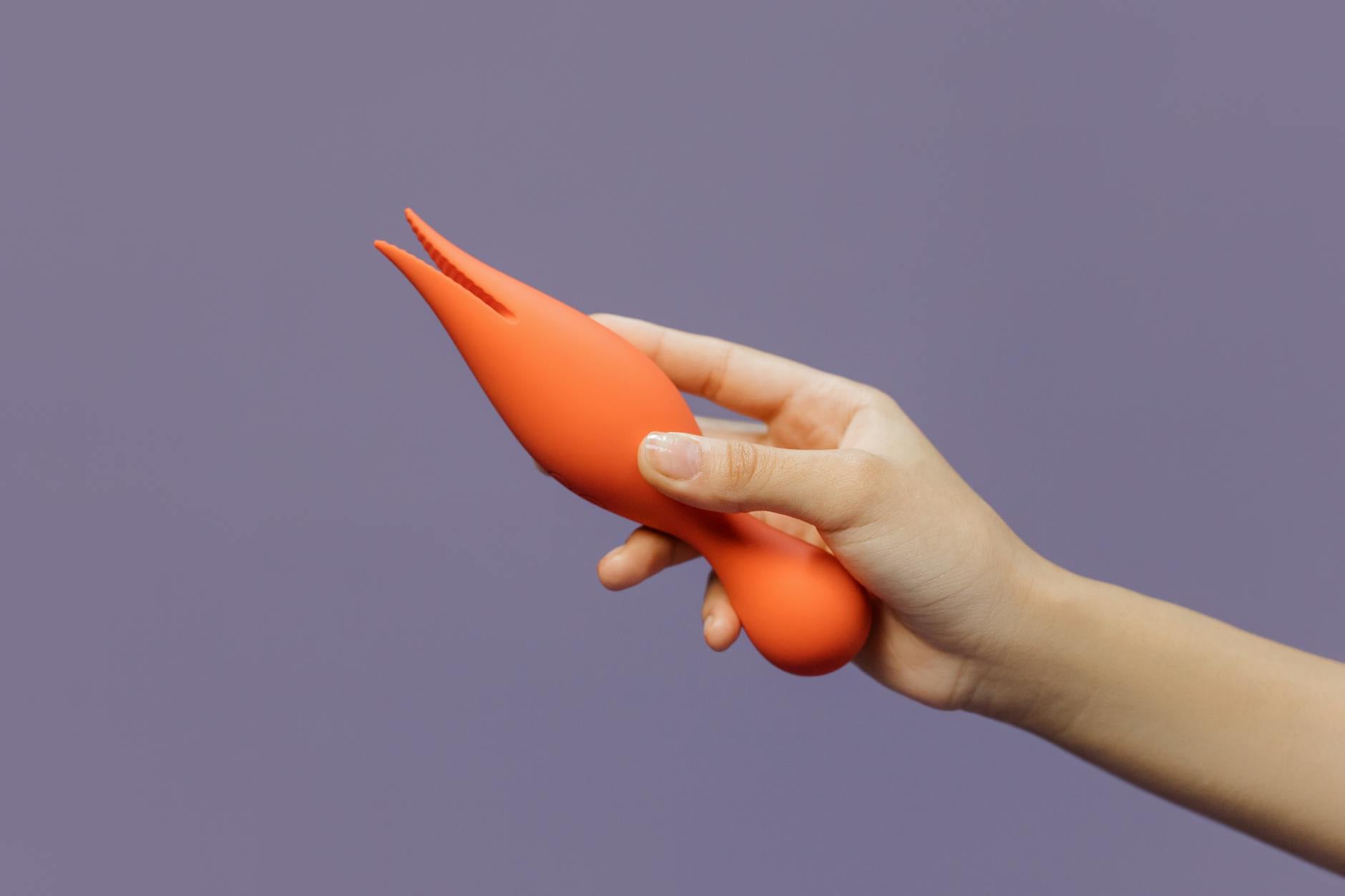
How to Use a Lemon Vibrator When Recovering From Pelvic Surgery or Stitches
Pelvic surgery changes your timeline for pleasure. Here's how to rebuild intimacy safely, when it's actually okay to start, and why a clitoral vibrator might be gentler than you'd expect.
Pelvic surgery stops your sex life temporarily. It doesn't end it, but for months afterward, the question isn't "Can I have pleasure?" It's "When can I safely feel pleasure again?" And the honest answer is messier than your surgeon's discharge paperwork suggests.
Hysterectomy, fibroid removal, cyst drainage, endometriosis excision, pelvic floor repair. Whatever brought you to surgery, coming back to intimacy afterward requires real clarity about what your body can handle right now. Most people don't get that clarity from their doctors, which is why I'm walking you through it.
Standard post-op guidance says six weeks before intercourse. That's the minimum for basic tissue healing at the surgical site. But here's what doctors often skip: healing inside isn't linear, and "cleared for intercourse" doesn't mean "cleared for all pleasure."
Internal stitches typically dissolve between two to four weeks. External stitches come out around two weeks. But the tissue underneath is still rebuilding collagen and nerve pathways. At six weeks, you're anatomically ready. You're not necessarily emotionally or neurologically ready. Those timelines are different.
What this means: you might be safe for something before you're ready for it. And that's the distinction that actually matters.
Here's the thing that makes lemon vibrators particularly useful during recovery. Clitoral vibrators don't go inside. They work on external tissue that, depending on your surgery, may have had zero direct trauma.
If your surgery was hysterectomy, fibroid removal, or anything inside the vaginal canal or deeper pelvic cavity, your external clitoris is technically separate from the surgical zone. Neurologically, yes, everything connects. Anatomically, the clitoral glans is external. This means stimulation there poses a different set of considerations than deep penetration does.
Your surgeon may have said no penetration for six weeks. They almost never say "no clitoral stimulation." That's because they're not thinking about it. But you should be.
Clitoral massage with a device like the Lemon can be safe much earlier than vaginal penetration, provided: there's no infection, pain has genuinely subsided, and you're not triggering pelvic floor guarding (that protective tension that happens when your body feels threatened).
Don't rely on the calendar alone. These are the markers I tell clients to watch for before touching a vibrator anywhere near their body:
Pain has shifted from sharp to absent. Sharp pain is your body saying "don't." Mild soreness or ache is different. But if intercourse still hurts or sitting puts pressure on the surgical area, you're not ready. Give it more time.
You've had your post-op check and been cleared. At that six-week or eight-week appointment, ask your surgeon specifically: "Is clitoral stimulation safe?" Don't assume. Get a yes.
Discharge looks normal. Heavy bleeding, foul smell, or excessive fluid suggests infection. Wait until you've called your doctor and gotten the all-clear.
You're not on antibiotics for infection. If your body is fighting infection, introducing vibration (and everything that comes with arousal) complicates recovery. Wait.
Mentally, you want this. This matters more than people admit. Trauma from surgery, fear of pain returning, or just plain exhaustion can make your nervous system tense. If you don't feel ready, you're not. There's no prize for being ready early.
When the green light comes, here's how I'd approach it.
First session: external exploration only, no vibration. Let your hand explore the external area with no pressure, no device. Get a sense of what feels good versus what triggers worry. This is reconnaissance, not pleasure-seeking.
Second session: vibration on lowest setting, two to three minutes. Use a Lemon or similar clitoral vibrator on pattern one or two. Keep your hand on the device so you control pressure completely. Stop if anything hurts, feels wrong, or triggers fear. Two minutes might be all you do. That's fine.
Third session onward: extend only if it felt good. If there's no pain, no bleeding afterward, and your body didn't tense up defensively, you can extend to five minutes next time. Add a pattern if you want. Gradually.
This sounds obsessive. It's not. You're rebuilding trust with your body after trauma. Rushing that process teaches your nervous system that fear is justified.
If you're in a relationship, your partner's impatience is real, and it's also not your problem right now. Here's what they need to understand: surgery didn't just heal you physically. It also changed your nervous system's baseline for safety. They didn't have stitches. You did.
The generosity they need to show isn't emotional hand-holding. It's practical. It's asking "How are you feeling?" before touching you. It's not taking orgasm delays personally. It's understanding that pleasure returning slowly isn't rejection, it's biology.
Pelvic surgery often carries unexpected emotional weight. Your pelvis is vulnerable, intimate territory. Surgery there isn't just a medical event. It's a breach of that space, even though it was necessary and healing.
Some people feel disconnected from their bodies for months after. Some feel violated even though they consented. Some spiral about whether they'll ever feel normal again. These aren't character flaws. They're normal post-trauma responses.
Sexual pleasure, when it returns, can feel complicated. You might feel guilt for wanting it. You might feel afraid it'll hurt. You might feel numb and wonder if you'll ever feel arousal again.
The Lemon can help with that last part. Starting with something gentle, external, and entirely under your control can be a way of saying "I'm claiming this back." It's not rushing recovery. It's reclaiming ownership of pleasure on your timeline.
Bleeding after stimulation is not always an emergency. A little spotting weeks into recovery can happen. It's worth noting, but not panic-worthy.
What is worth calling about: increased pain, return of sharp sensations, discharge that smells foul or is heavy and ongoing, fever, or the feeling that something inside has ruptured or shifted. Those are real signals that something's wrong.
Don't push through pain thinking you'll "get back to normal faster." You won't. You'll just create new problems.
Pleasure after pelvic surgery is about more than physiology. It's about proving to yourself that your body still works, that it's still yours, that you can feel good again. A lemon clitoral vibrator, used carefully and at your own pace, can be part of that reclamation.
But it's also okay if you don't want that yet. Some people need weeks. Some need months. Both are normal. The point isn't speed. It's patience with yourself and the real timelines your body has, not the ones you think you should have.
Not yet. Dissolvable stitches typically hold for two to four weeks post-op. They're delicate while they're dissolving. The vibration and arousal response can increase blood flow and potentially cause bleeding around the stitch sites. Wait until your surgeon confirms stitches are either removed or fully dissolved and that your internal tissue is healed. If you had external stitches that are removed, internal healing still takes longer.
Clearance for intercourse and readiness for intercourse are different. Cleared means tissue has healed enough that penetration won't tear things open. Hurting means your body isn't ready, even if it's medically possible. This is a nervous system thing, not a weakness. Pelvic floor tension after surgery is common. Some people benefit from pelvic floor physical therapy to help the muscles relax. Others need time. Talk to your surgeon about referral to a pelvic floor specialist if pain persists beyond six to eight weeks post-op.
Completely normal. Surgery, especially hysterectomy or deep pelvic work, can temporarily damage or alter nerve pathways. Numbness often resolves over months as nerves regrow and remap. Some people report that external clitoral sensation returns before deep vaginal sensation does. Your clitoris might wake up before your vagina does. Start where sensation is present, not where you think it should be.
Light spotting that stops on its own is usually fine. Heavy bleeding that doesn't slow down suggests something's wrong. Vibration increases blood flow and arousal, which can temporarily increase bleeding. If you're concerned, skip stimulation until it's completely stopped. A quick call to your surgeon can give you peace of mind rather than guessing.
Directly. "Normal" isn't coming back on a schedule. Your body is healing and your nervous system is reset. That takes time. Your partner can support that by not pushing, by asking what you need, and by understanding that healing from surgery is a shared experience even though only you experienced the surgery. If they can't do that, consider working with a therapist together. How to use a lemon vibrator when partners have different recovery times gets into this more.
Yes. Water-based lubricant, even though you're not penetrating. It reduces friction and keeps tissue comfortable. Start with the lowest vibration pattern. Keep your hand on the device the whole time so you control pressure. Avoid anything that creates suction or intense pressure right at the surgical site if surgery involved that area. And stop immediately if anything feels wrong. Your body will tell you if you listen to it.
Pelvic surgery isn't small. It's invasive, it's vulnerable, and it changes your relationship with your body temporarily. Using a lemon vibrator as part of your recovery isn't rushing anything. It's reclaiming pleasure on your own terms, at your own pace, when your body and your nervous system are actually ready.
Patience with yourself isn't weakness. It's wisdom. Your body got you through surgery. It will get you back to pleasure, too.