Let's start with the thing no one says out loud
One of you wants soft, sustained sensation. The other wants intensity and speed. Maybe one person likes direct pressure while the other prefers the sensation to be more diffuse. These aren't compatible problems. They're just different nervous systems asking for different things. The good news: a lemon clitoral vibrator is wildly flexible, which means you can actually get both people to the same place without anyone compromising their pleasure.
Why partners have such different stimulation preferences
Here's the actual neuroscience: people's touch receptors aren't laid out the same way. Someone might have dense nerve clustering that responds best to focused, intense sensation. Another person might have more scattered receptors that light up better with broader, gentler stimulation. It's not preference in the emotional sense. It's how their specific body is wired.
Add hormones, stress levels, and whether someone's been with previous partners who trained them to want a certain type of touch, and you get wildly different preferences. Neither is wrong. They're just different requests being made by two different nervous systems.
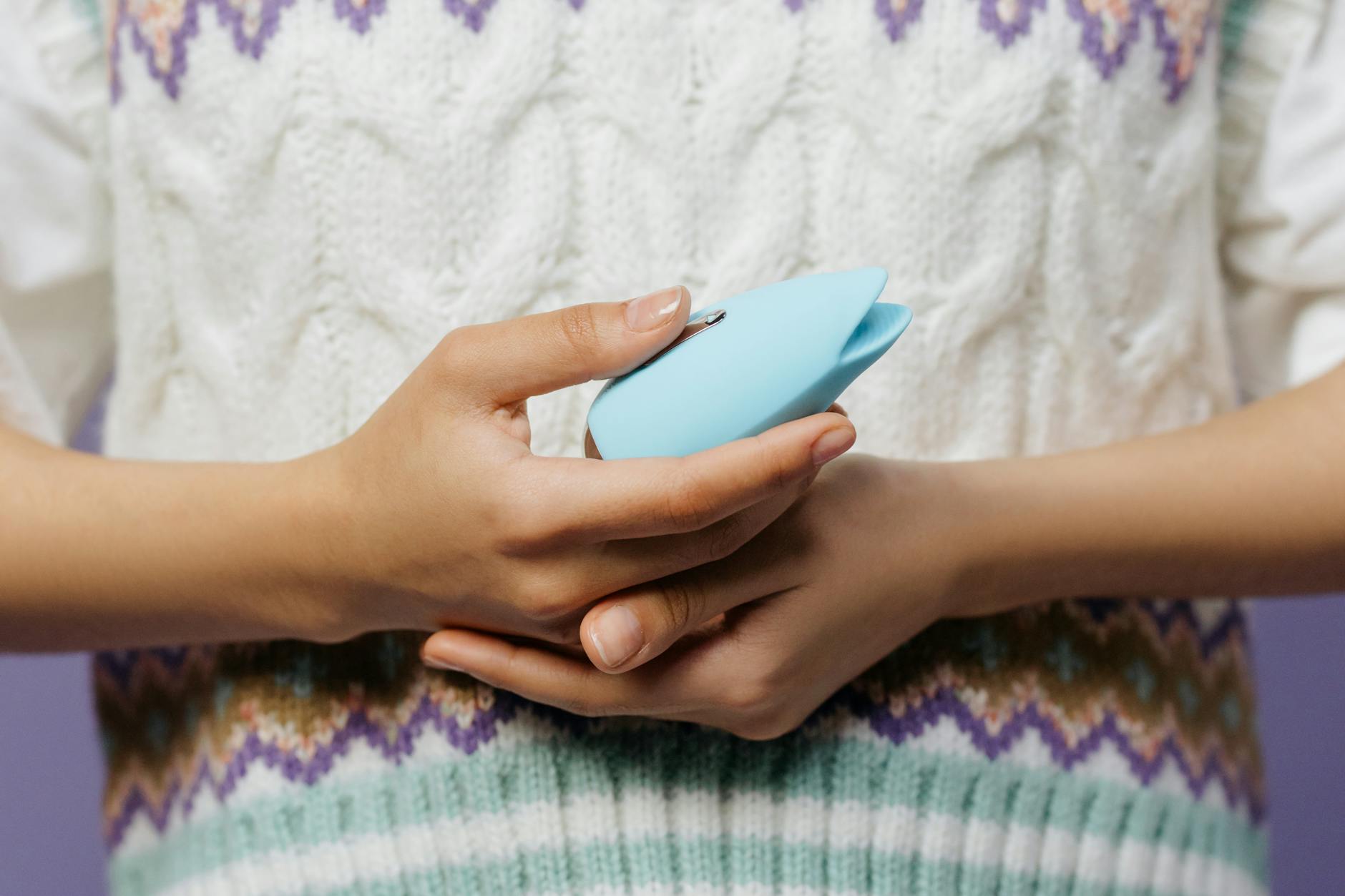
Photo by cottonbro studio on Pexels
How the Lem actually solves this
The lemon vibrator has seven intensity levels. That's not a marketing spec. That's the actual architecture of the tool. Most vibrators have three settings, which means you're picking between "soft, medium, hard." A lemon clitoral vibrator gives you way more granularity. You can start at level 2 for the person who wants gentleness and then shift to level 5 or 6 for the person who wants more. More importantly, you can find the middle ground.
The other design feature that matters: the lemon sucker (that rounded cup at the top) concentrates sensation without being painfully sharp. It's providing pressure and suction simultaneously. Some people read that as "intense." Others read it as "contained and manageable." The same tool feels different to different people because the sensation profile is rich enough to match multiple preference patterns.
The conversation you actually need to have first
Before you even use a lemon sexual toy together, name what you each want without judgment. This sounds obvious but people skip it because it feels awkward. Don't skip it.
Ask: "What does good stimulation feel like to you?" Listen for concrete details. Not "I like it when it feels good." But things like:
- Do you want pressure or lightness?
- Do you like it when the sensation moves around, or do you prefer it stays in one spot?
- What happens if I start really slow and then build up?
- Does faster always feel better, or is there a sweet spot?
- Do you like predictable rhythm or does variation turn you on?
Write down the answers. Actually write them down. You'll refer back to them, especially if one person gets excited and forgets what the other one said.
How to actually use the Lem with different preferences
Let's say Partner A wants soft, sustained sensation. Partner B wants higher intensity and variation.
Start low for both people. Begin at level 1 or 2 on the lemon vibrator. This is not compromise. This is baseline. You're letting Partner A settle into what feels good while Partner B gets a sense of the tool's sensation profile. Spend 5-8 minutes here. Real 5-8 minutes, not the 90-second version you do when you're bored.
Let Partner A stay at their preferred level. If Partner A is experiencing pleasure at level 3, they don't need you to push them to level 6. You're not building to some imaginary finish line. You're giving them what they asked for. The lemon clitoral vibrator is good enough that people genuinely enjoy lower settings. It's not a consolation prize.
Vary the pattern for Partner B without changing the base level as much. Instead of jumping from level 3 to level 6, try: level 3 constant for 30 seconds, then add rhythm (on-off-on-off at level 3). Then shift to level 4 with the same rhythm. Then take away the rhythm and go sustained at level 4. You're changing the sensation profile without necessarily going up in intensity. This is actually what people mean when they say they want "variety."
If both people want to use the toy simultaneously, use it on different areas or take turns being the focus. A lemon sucker toy is designed for one person's clitoral pleasure at a time. If you're partnered with someone who also has a clitoris, you can't both get the same sensation from one device. That's actually fine. Take 8 minutes focusing entirely on Partner A. Then switch. You're not trying to pleasure each other at the exact same moment. You're taking turns being fully attended to.
When preferences are really far apart
What if one person genuinely loves intensity and the other finds anything above level 2 overwhelming?
First: this is common and not a sign of mismatch. It's just information.
Second: sometimes this isn't actually about the lemon vibrator at all. Sometimes it's about what else is happening. If Partner B is stressed, anxious, or hasn't felt safe being vulnerable with Partner A in a while, their nervous system might be asking for softness not because of nerve density but because they're protective. Have that conversation separately from the sex conversation.
Third: if this is genuinely a sensation preference and not a safety thing, you can use a lemon sexual toy for Partner A (the higher-intensity person) while using something else for Partner B (softer touch, maybe your hands, maybe a different toy). You don't have to use the same tool.
The psychological piece that actually matters more
Here's what I've seen derail couples most often: one person feels like their preference is being judged as "too much" or "not enough." Partner A thinks "they want me to want more intensity than I do." Partner B thinks "they think I'm too rough." And suddenly the tool becomes a symbol of incompatibility instead of just being a helpful device.
The antidote is explicit reassurance. Say it out loud: "I love that you want softness. That's what you need, and that's good." And separately: "I love that you want intensity. That's hot to me." Not as afterthoughts. As part of the whole experience.
When you're tuned into what your partner actually wants instead of what you think they should want, the whole dynamic shifts. The lemon vibrator just becomes the tool that lets you stay tuned in.
Making this a regular conversation, not a one-time negotiation
Preferences change. Your nervous system responds differently depending on your cycle, your stress level, whether you've been sleeping well, and honestly just the day of the week. What Partner B wanted during week one of using a lemon clitoral vibrator might be different in week four.
Check in: "Is what we're doing still working for you?" This doesn't have to be serious. It can be casual, mid-intimacy, just acknowledging reality. "Want me to speed up?" "Actually want to go softer." That kind of thing.
This is partly why lemon vibrators work so well for couples with different preferences. Seven intensity levels gives you enough options that you're not locked into a binary choice. You have room to move.
FAQ: Partners and Stimulation Preferences
Can we use a lemon clitoral vibrator if we have really different sensitivity levels?
Completely yes. The seven settings on a lemon vibrator give you tons of flexibility. Start with the assumption that you're both normal and just different. Then let the tool meet you both where you are.
What if one partner feels self-conscious about liking gentler sensation?
This comes up more than people admit. If you're the person who likes lower intensity, you're not broken or less sexual. Intensity isn't a measure of how much you want something. A lemon sucker can provide incredibly satisfying sensation at level 2. Full stop. And if your partner makes you feel weird about that, that's actually a relationship conversation, not a vibrator conversation.
Is it okay if both partners want the lemon vibrator but have to take turns?
Yes. Taking turns being the focus of attention is actually hot to most people. You're giving your partner full, undivided pleasure instead of trying to coordinate two nervous systems at once. This is not settling. This is design.
How do we know if it's a preference thing or an avoidance thing?
Rough test: if someone wants low intensity all the time in all contexts and also avoids vulnerability in other ways, it might be protective avoidance. If someone loves intensity with the lemon vibrator but also enjoys soft touch in other contexts, it's just a preference. When you're unsure, ask. "Does gentleness feel good to you, or does it feel like not-enough?" The answer will be different.
What if we've been using the same vibrator settings for months and they suddenly stop working?
Bodies change. Hormones shift. Your nervous system adapts to sensation. If level 5 used to be perfect and now it feels either too soft or you need level 7, that's normal. This is actually why you want a tool with multiple settings. Use it as information instead of a problem. "My body's asking for something different now."
Can we figure this out without talking about it explicitly?
You can try, but you'll probably end up frustrated and confused. The explicit conversation takes maybe 10 minutes and saves you months of misalignment. It's worth it.
Here's the thing about different stimulation preferences
Most couples assume different preferences mean incompatibility. They don't. They mean you get to have a more interesting conversation than "one-size-fits-all." A lemon vibrator just makes that conversation easier because you have enough options that you can actually meet in the middle instead of picking a winner.
Your partner wanting something different doesn't diminish what you want. You're not competing for the right answer. You're just both trying to feel good, and sometimes that takes seven different intensity levels and a willingness to pay attention to what the other person is actually asking for.
If you want more support navigating pleasure with a partner, reach out to us. We're here for the real conversations.