Here's the thing about emotional disconnection in bed
Your partner's body is right there next to you. Their mind is somewhere else entirely. This isn't the same as lack of desire or low libido or the kind of issues you see plastered across relationship forums. This is a specific kind of loneliness that happens inside intimacy itself.
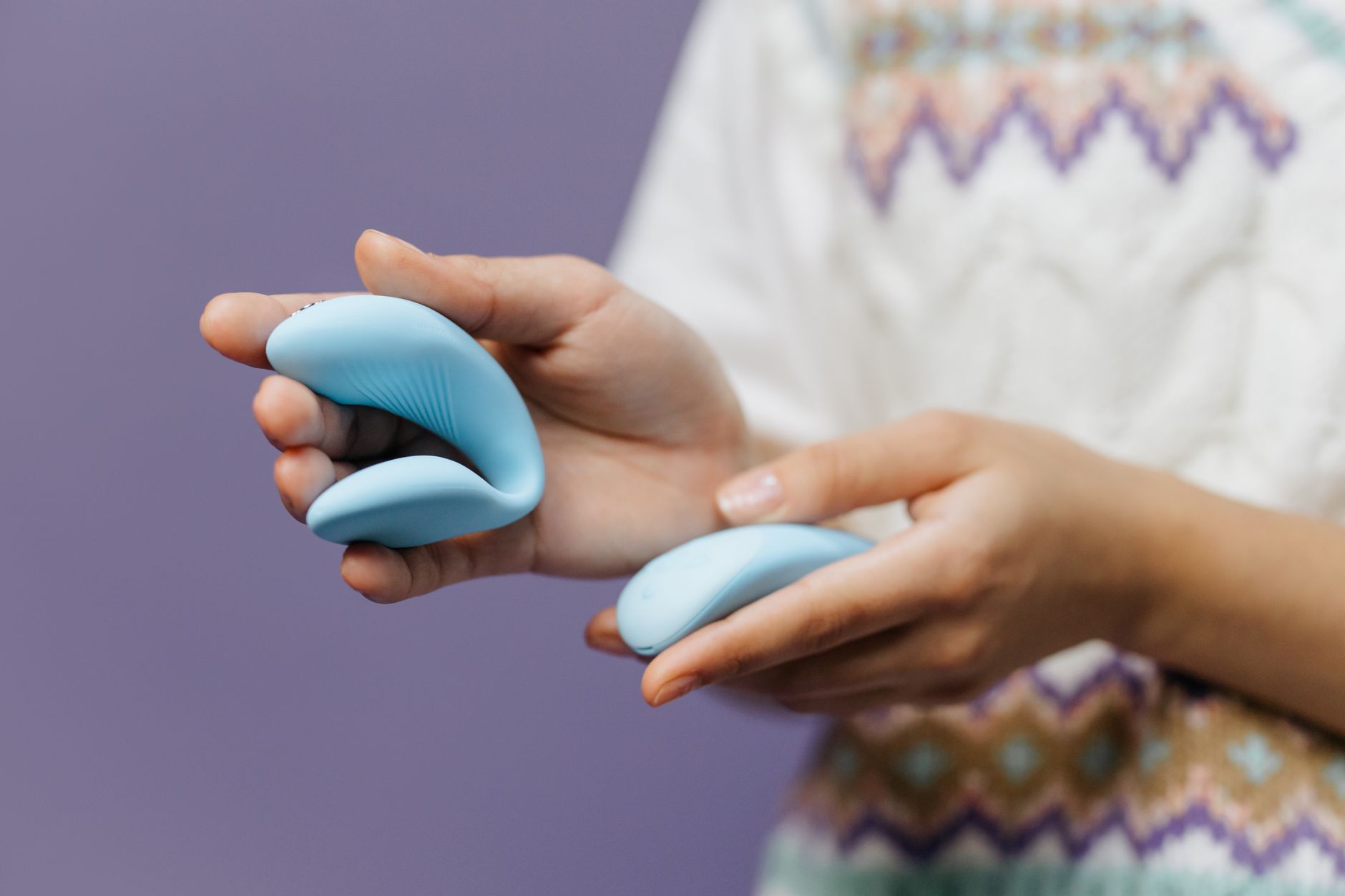
The temptation is to stop trying altogether. But there's a third option that most people don't talk about: using pleasure tools like a lemon clitoral vibrator not as a replacement for connection, but as a way to stay grounded in your own body while you figure out what's actually happening between you.
Why disconnection kills sensation in the first place
Let's start with the neurological reality. When your partner is emotionally absent, your nervous system picks up on it. Your brain registers the gap. That gap creates a kind of ambient anxiety that makes it harder to drop into arousal. You're not broken. You're reading the room correctly.
Most people respond by doing one of two things: they either perform pleasure (faking engagement to make the interaction move faster) or they shut down completely (stopping initiation altogether). Neither addresses what's actually happening, which is that your nervous system has figured out your partner isn't fully present and is protecting you by staying defended.
A lemon vibrator works in this situation because it gives you a specific job that's entirely yours. You're not responsible for your partner's engagement or presence. You're responsible for yourself. That boundary is more important than it sounds.
Understanding what emotional disconnection actually looks like
It's not always the same across couples. Sometimes it shows up as your partner going through the motions while scrolling their phone half-asleep. Sometimes they're engaged physically but their eyes are distant. Sometimes they're kind and present in conversation all day but instantly check out when things turn intimate.
The common thread is this: you feel alone in a crowded bed. And your body knows it.
The good news is that lemon vibrators are designed around clitoral stimulation using air-pulse technology, which means they work independently of what your partner is or isn't doing. You don't need them to touch you a certain way. You don't need them to maintain interest. You need suction, pattern, and your own attention.
How to create your own pleasure boundary
Here's the practical piece. If your partner is present but distant, using a lemon clitoral vibrator requires you to make a statement: "I'm here for my pleasure. You can participate, but you don't have to be the architect of it."
That's not selfish. That's actually the most intimate thing you can do in a disconnected dynamic. It says: I'm not waiting for permission. I'm not performing for approval. I'm staying present with myself.
Start by using your vibrator solo first. Understand your own preferences with the Lem or whichever lemon sucker works for your body. Know what patterns you like, how much time you need for warm-up, what your body actually wants versus what you think it should want. This sounds basic, but most people in disconnected relationships haven't spent enough time with their own pleasure because they've been too focused on managing the gap with their partner.
Once you're comfortable alone, the invitation to use it together becomes simpler. You're not asking your partner to fix something. You're saying: "I'm going to take care of this part. You can be here if you want."
The mechanics of using a lemon vibrator when they're present but absent
Four things change when you're using clitoral vibrators with a disconnected partner:
First, start on lower settings. When you're already managing emotional static, you don't want to overwhelm your nervous system with intensity. Patterns 1 through 3 on the Lem usually work better than jumping straight to 5 or 6. You're building arousal, not chasing it.
Second, take your time with warm-up. Disconnected partners often abbreviate foreplay or skip it entirely. You don't have to wait for them to touch you. Use your own hands first. Notice what feels good without the vibrator. Then introduce it when your body is already starting to wake up. This also sends a signal: I'm not dependent on your touch to get here.
Third, keep communication separate from pleasure. Don't try to fix the emotional issue mid-orgasm. That never works. If you want to use a lemon vibrator together as a way to rebuild connection, that's a separate conversation that happens clothed, clear-headed, when you're not trying to get aroused. The conversation is: "I want to stay present with my own pleasure. I'd like you to be here with me, but I understand if you're struggling." Then you set a time when you both agree to show up, even if showing up is just being in the room with genuine openness.
Fourth, know what you're actually trying to accomplish. Are you using the vibrator to have an orgasm? To feel something? To create an opening for reconnection? Those are different goals and they require different approaches. If you just want to come, great. Use the Lem solo. If you want to potentially rebuild intimacy, you need explicit agreement from your partner that they're willing to be present, even if present means "watching and trying." Without that agreement, you're performing again, just with a toy instead of without.
Why sensation loss happens in disconnected relationships
When someone you're intimate with is emotionally absent for long periods, your nervous system actually starts to numb out. You stop registering sensation as acutely. Your arousal mechanism becomes quieter. This isn't depression, necessarily. It's a protective response.
This is where lemon vibrators genuinely help. The air-pulse technology used in devices like the Lem creates a kind of constant reset. It's giving your body a specific signal that's hard to tune out. You can't just drift. The suction demands your attention.
For people in disconnected relationships, that demand for attention is often the permission they need to actually feel something again. You're not waiting for your partner to create sensation. You're generating it yourself.
When to have the bigger conversation
Using a lemon clitoral vibrator in a disconnected dynamic isn't a fix. It's a way to stay sane while you figure out whether the disconnection is temporary and fixable or structural and a sign of deeper incompatibility.
If you find yourself regularly using vibrators alone because your partner won't engage, that's information. If you're using them together and your partner is still checked out (body present, mind absent), that's different information. If your partner actively resists or becomes hostile about vibrator use, that's significant data too.
None of these things automatically mean the relationship is over. But they're all reasons to have a real conversation with your partner, possibly with a therapist or counselor who specializes in intimacy and connection issues. I recommend that conversation happen outside the bedroom. Frame it as: "I've noticed we've become disconnected. I want to understand what's happening for you." Listen more than you defend.
When pleasure tools become a bridge instead of a substitute
The best-case scenario is that using a lemon vibrator together helps your partner understand what they've been missing. Watching someone you care about take themselves seriously sexually can sometimes snap people back into engagement. It's not guaranteed. But it's possible.
If your partner does start to re-engage, the vibrator becomes less about what you do alone and more about what you explore together. You might find that they want to hold it, or watch, or use it as part of touch between you. Those moments are often when real reconnection starts. It's not because of the vibrator. It's because you both showed up as yourselves, not as performers or protectors.
But that only works if both people actually want to try. If your partner is unwilling to acknowledge the disconnection or uninterested in rebuilding, no vibrator changes that. At that point, you're using pleasure tools to cope with a situation that requires real emotional work, not to fix it.
FAQ
Why does using a vibrator feel too risky if my partner is already disconnected?
Introducing a tool can feel vulnerable when someone's already emotionally checked out. But here's the thing: they're already disconnected. Using a vibrator isn't creating the distance. It's acknowledging it exists and refusing to pretend it doesn't. That honesty, paradoxically, is often what opens the door back to connection.
Can a lemon vibrator help us reconnect if my partner won't talk about what's wrong?
Not directly. A vibrator can help you stay grounded and remind you that your pleasure matters independently of your partner's engagement. But it can't force conversation or emotional availability. That requires your partner's willingness. What it can do is give you a reason to have that conversation: "I want to feel close to you again, and I'm going to take care of myself while we figure this out together."
Should I use a lemon clitoral vibrator solo or try it with my partner first?
Start solo. Get comfortable. Know what you want. Then decide whether involving your partner makes sense. You're not obligated to perform this for them. But if they're willing to be genuinely present, knowing your own pleasure first makes the shared experience much clearer and less about managing their feelings.
What if my partner gets jealous or threatened by the vibrator?
That's important information. Jealousy about a tool often signals deeper insecurity or control patterns. A healthy partner might feel initially awkward or need reassurance that the vibrator isn't replacing them. That's different from active hostility. If your partner becomes angry or forbids vibrator use, that's a red flag worth discussing with a therapist or counselor.
Can I use a lemon vibrator if sex itself is painful or uncomfortable right now?
Yes, absolutely. A lemon sucker like the Lem focuses on clitoral stimulation without penetration, so it bypasses pain that might come from other kinds of touch. But pain during sex is also worth mentioning to your partner and to a healthcare provider. It's often a signal that something physical or emotional needs attention.
How do I know if the disconnection is temporary or permanent?
That requires honest conversation with your partner, ideally with professional support. Temporary disconnection often happens during stress, health issues, work pressure, or major life transitions. Permanent disconnection shows up as consistent emotional unavailability even when external stressors ease. Time and intentional effort reveal which one you're dealing with. A vibrator can help you stay present with yourself while you're figuring it out, but it can't tell you whether your partner wants to come back.
The bottom line
When your partner is physically present but emotionally absent, your pleasure matters just as much as theirs. Using a lemon vibrator isn't giving up on intimacy with them. It's refusing to give up on intimacy with yourself while you both figure out what happens next. Sometimes that's the thing that helps them remember why connection mattered in the first place. Sometimes it's the thing that helps you realize you deserve someone who shows up. Either way, your body deserves attention. A lemon clitoral vibrator makes sure you're the one giving it.