Bringing a toy into early intimacy is less risky than you think
Here's the thing: most people assume introducing a lemon vibrator or any clitoral vibrator to a new partner requires elaborate setup, months of trust building, or a perfectly choreographed conversation. It doesn't. What it actually requires is clarity about what you want and why, and a partner who cares about your pleasure. If they don't, that's useful information delivered now, not six months in.
I've worked with hundreds of couples navigating this exact moment. The anxiety is almost always bigger than the actual experience. By the time you're in bed with someone new, you've already done the hard part: you decided you're worth orgasmic pleasure, not just efficient completion. Now it's just logistics.
When to bring it up before you get intimate
The conversation doesn't belong in the bedroom. It belongs sometime before clothes come off, ideally when you're both clothed, calm, and can actually hear each other. This isn't a mood-killer; it's mood-preparation.
The best timing is usually after you've established some sexual chemistry but before things escalate to that first encounter. Think: after a few dates, when you're both clearly interested, or right after you've decided to be exclusive. Not on a first date. Not hours before. Somewhere in that sweet spot where sex feels inevitable but not imminent.
You can say something like: "I want to be honest about something that matters to me. I use a vibrator, and I really enjoy it. I'd love for that to be part of what we do together." That's it. You're not asking permission. You're stating a preference and inviting them in.
What you're actually testing in that conversation
This moment tells you something crucial: does your partner respond with curiosity or defensiveness? Do they ask questions, or do they shut down? Are they concerned about themselves ("Do I not satisfy you?") or about you ("What do you like? How does it work?")?
A partner who gets defensive about your vibrator is showing you how they'll handle other aspects of your pleasure for years to come. Someone who's curious, even if mildly nervous, is showing you something healthier. Neither response means the relationship is doomed. But it does tell you what you're working with.
If your partner immediately spirals into insecurity, that's addressable. You can say: "This isn't about you not being enough. My pleasure and your pleasure are separate things. I want both. This is how I get there reliably, and I want to experience that with you." Most people hear that and relax. Some don't. But at least you'll know.
The first time using a lemon clitoral vibrator together: what to expect
Let's say they were cool about it, or at least didn't run screaming. Now you're actually getting intimate. Here's where a lot of people freeze up: they think they need to perform the vibrator use, or explain every step, or justify why they're reaching for it.
You don't. You reach for your Lem or whichever Nancy's Lemon toy you use the same way you'd reach for a pillow. Casual. Matter-of-fact. If they ask what you're doing, tell them: "I'm going to use this because it helps me get there." If they don't ask, don't announce it. Just use it.
Start at a lower setting, especially if you're nervous or if it's your first time using a toy in front of someone. The Lem has multiple intensity levels for exactly this reason. Your body's response to stimulation shifts when there's another person present, even if you trust them. Adrenaline, self-consciousness, the vulnerability of being watched. All of that can change what feels good. So start low and adjust.
How to involve your partner without handing them the vibrator immediately
There's a spectrum here. On one end: you use it solo while they watch and touch you elsewhere. On the other end: they hold it and control it. Most people end up somewhere in the middle, and that's usually discovered through trial, not conversation.
If you want them more involved, you can guide their hand onto yours while you're holding the vibrator. That way they're experiencing the sensation indirectly, through your body, and learning what rhythm and intensity you respond to. This is useful data for them and helps them feel included without awkwardness.
Or you can hand it to them and say: "Try this setting" and let them play. Some partners love this. They get to participate in creating your pleasure. Others feel more comfortable being a support player. Neither is wrong.
The key is: if you've already used a <a href="/blog/best-lemon-vibrator-settings-for-different-types-of-clitoral-sensitivity">lemon vibrator before</a>, you know what you like. You're not discovering it in real time with an audience. You're just applying existing knowledge. That makes a huge difference in your confidence.
The conversation about pleasure hierarchy that most people skip
Here's what I see happen: someone introduces a vibrator to early intimacy, it works great, and then three months in, their partner starts taking it personally that the vibrator is "needed" to reach orgasm. Or they start feeling like they're not enough.
This almost always traces back to a conversation that didn't happen. You need to establish upfront: what's the role of the vibrator in your sex life together? Is it every time? Sometimes? Only during solo sessions? Is it something you want during partner sex, or separate from it?
Different relationships answer this differently, and there's no universal right answer. But if you don't talk about it, resentment builds on both sides. Your partner feels inadequate. You feel guilty. The vibrator becomes a sore spot instead of a tool.
So say it plainly: "I want to use this during sex with you sometimes, not instead of you. And I also want to use it on my own time." Or: "I like it as foreplay but not necessary for me to come with you inside me." Or whatever's true for you. Your partner can't read your mind. But they can handle honesty.

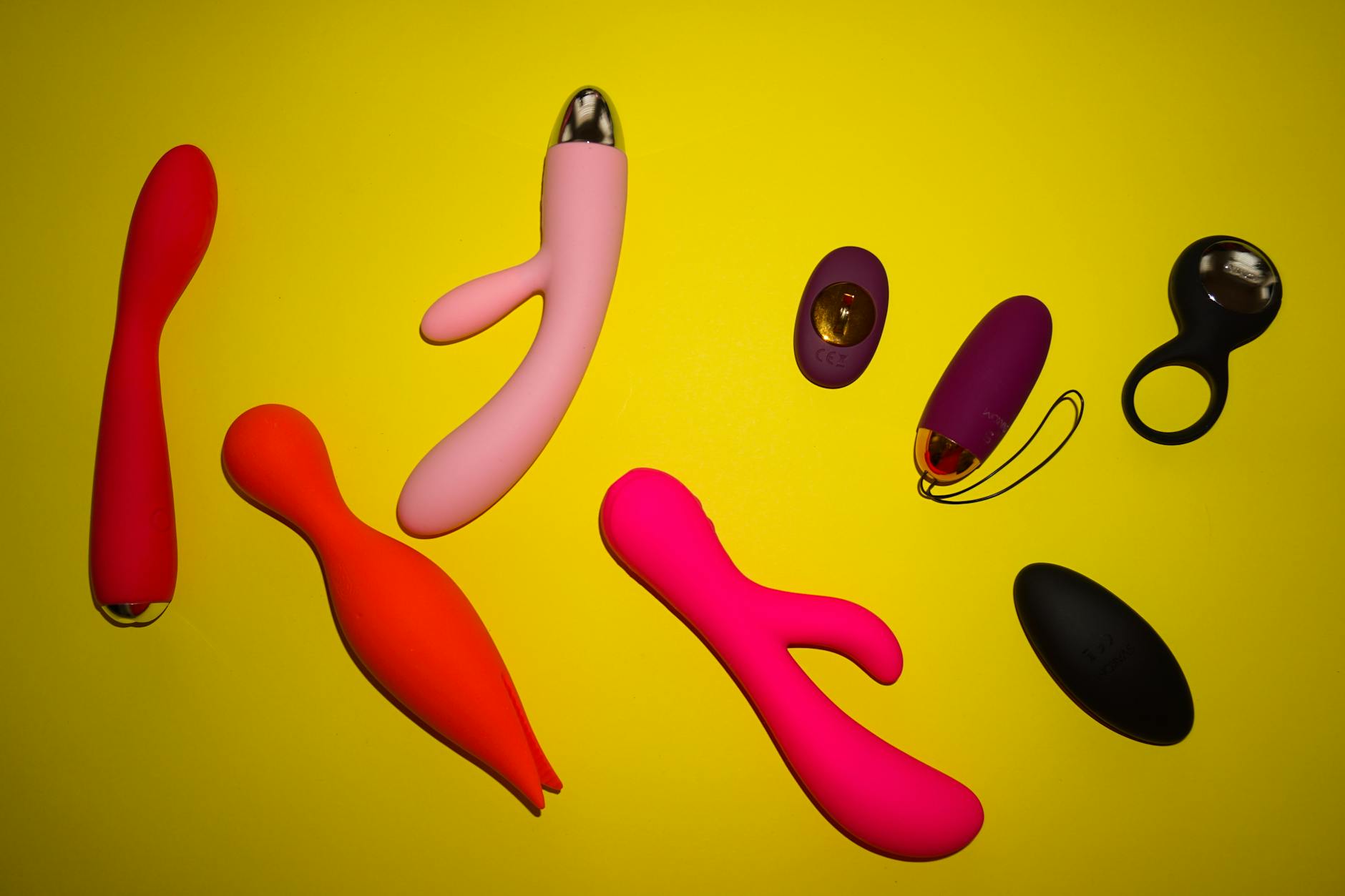
Photo by Madison Inouye on Pexels
What to do if they seem uncomfortable or hesitant
Not everyone gets excited about toys on first exposure. Some people have religious backgrounds, cultural baggage, or past relationship trauma around sex that makes vibrators feel threatening. That's real, and it's not your job to fix it. But you can acknowledge it.
If your partner expresses discomfort, ask genuine questions: "What feels scary about this for you?" Listen to the actual answer, not the edited version. Often it's not about the toy at all. It's about feeling insecure, or pressure, or fear of judgment. Sometimes it's about control.
You can't negotiate your own pleasure away. But you can usually find a middle ground. Maybe you use the vibrator before he arrives. Maybe you use it during foreplay but not during penetration. Maybe you start with them just watching, and they participate more over time. The point is: you're communicating actual needs and boundaries, not performing the relationship you think they want.
The physical logistics nobody talks about
Water-based lube is your friend here. Even if you don't usually need it, having it available during that first experience together reduces self-consciousness and physical friction. It's a practical tool, not a statement about your arousal.
Clean your toy beforehand. It sounds obvious, but anxiety makes people forget basic steps. A quick rinse with warm water and toy cleaner takes thirty seconds and lets you focus on the actual experience instead of worrying about hygiene.
Position matters too. Using a lemon clitoral vibrator isn't the same as penetrative sex. You might want a pillow, might want to recline, might want to be on top. Your body will tell you what position works best with a vibrator in the mix. Trust that, and don't contort yourself to match some imagined performance.
After: what to actually say
The most dangerous time is after. Your brain is flooded with oxytocin and adrenaline and vulnerability. It's tempting to spiral into self-doubt or over-explain or apologize for using a toy.
Don't. Instead, you could say: "That felt good. I liked having you here for that." Or: "I'm glad we tried that together." Or literally nothing. Sometimes the best thing after good sex is just staying quiet together.
If your partner seems distant or withdrawn after, don't assume it's about the vibrator. Check in: "You okay?" Give them space to process. Some people need time to integrate new experiences. That's normal and it doesn't mean it went wrong.
Building this into your regular intimacy
If that first experience went well, using a <a href="/blog/why-lemon-vibrators-feel-different-when-you-first-start-using-toys">lemon clitoral vibrator</a> becomes less of a special event and more of a normal tool. Over time, your partner might ask to hold it, or suggest using it, or integrate it into their own pleasure routine. That's the goal. Not secrecy or shame, but mutual comfort with the idea that pleasure takes many forms.
Every relationship finds its own rhythm here. Some couples use toys regularly. Some rarely. Some use them solo only. None of these is the right answer. The right answer is the one that works for both of you, communicated clearly and adjusted as needs change.
What matters isn't the toy itself. It's the conversation, the honesty, and the shared commitment to pleasure mattering in your relationship.
People also ask
Should I use a lemon vibrator with a new partner right away?
There's no universal timeline, but most people find it goes better after a few dates when there's established chemistry and basic trust. That said, if you're someone who needs a vibrator to reach orgasm, trying to hide that in a new relationship is exhausting. It's better to mention it early and let them self-select out if they can't handle it.
What if my new partner thinks using a vibrator means I don't find them attractive?
That's their insecurity talking, not your problem to solve. A vibrator isn't a replacement for a partner; it's a tool for pleasure. You can like your partner and still use a toy. A healthy partner understands this. An insecure one might take time to get there, but that's their work to do, not yours. You can support it by being reassuring, but you can't fix it by giving up your pleasure.
How do I bring up toys if we've already had sex without mentioning it?
Exactly the same way. "I've been thinking about something I want to try, and I want to be honest about it with you." It's never too late to introduce this conversation. It might feel slightly more awkward because you've already had a rhythm established, but it's still manageable.
Is using a toy during partnered sex weird or uncommon?
It's increasingly common, especially among couples in their 20s, 30s, and 40s. That said, plenty of people still feel weird about it. The weirdness is usually shame-based, not based on anything real. A lot of that shame comes from media, religion, or past relationships. Acknowledging that doesn't make it disappear instantly, but it helps you move through it faster.
What if they want to use the toy on me but I prefer using it myself?
You can say that. "I like controlling the intensity myself. How about you touch me somewhere else while I use this?" You're not rejecting them; you're stating a physical preference. Most partners can hear that without taking it personally if you're clear and affectionate about it.
Should I let them choose when I use the vibrator, or is that giving away my autonomy?
Your body is yours. You get to use a vibrator whenever you want, with or without a partner's approval. That said, if your partner is anxious about it, you can invite them to be involved rather than hiding it. But you're not asking permission. You're offering inclusion.
The bottom line
Using a lemon vibrator with a new partner is less of a dramatic reveal and more of a practical conversation followed by normal sex that happens to include a toy. The anticipatory anxiety is almost always worse than the actual moment. And if your partner can't handle it? That tells you everything you need to know about whether this is the right relationship for long-term pleasure and honesty.
Your pleasure matters. A partner worth keeping gets that. Start there, and the rest usually follows.