Let's start with the honest part
Chemotherapy is one of the most physically demanding experiences a body can endure. It strips away energy, changes how your skin feels, flattens appetite, fog your brain, and fundamentally rewires your nervous system for months. So when people ask if pleasure is still possible during or after treatment, the answer is yes. But it looks different, and that's not a loss. It's just reality.
I work with people navigating intimacy through cancer treatment all the time. The conversation usually starts with guilt: "I feel like I shouldn't be thinking about this right now." But wanting pleasure isn't frivolous when you're sick. It's a sign you're still here, still you, still deserving of sensation that feels good.
What chemotherapy does to sensation and arousal
Chemo affects pleasure through three separate mechanisms:
The direct physical route. Chemotherapy can damage the nerves that send pleasure signals to and from your genitals. This creates numbness, tingling, or a disconnected feeling. Some people describe it as touching their body through several layers of cloth. This is called chemotherapy-induced peripheral neuropathy (CIPN), and it's common enough that it deserves planning for.
The exhaustion route. Chemo fatigue is not like regular tired. It's a bone-deep depletion that leaves you with perhaps 30 minutes of energy per day. Arousal requires neurological resources you may not have. This is temporary, but it's real. Your nervous system is working overtime fighting toxins and rebuilding cells.
The emotional route. Your body is being poisoned to save your life. That knowledge lives in your nervous system whether you're consciously thinking about it or not. Some people find their desire tanks. Others find that pleasure becomes a form of rebellion and self-care. Both are normal.
Why lemon clitoral vibrators help during active treatment
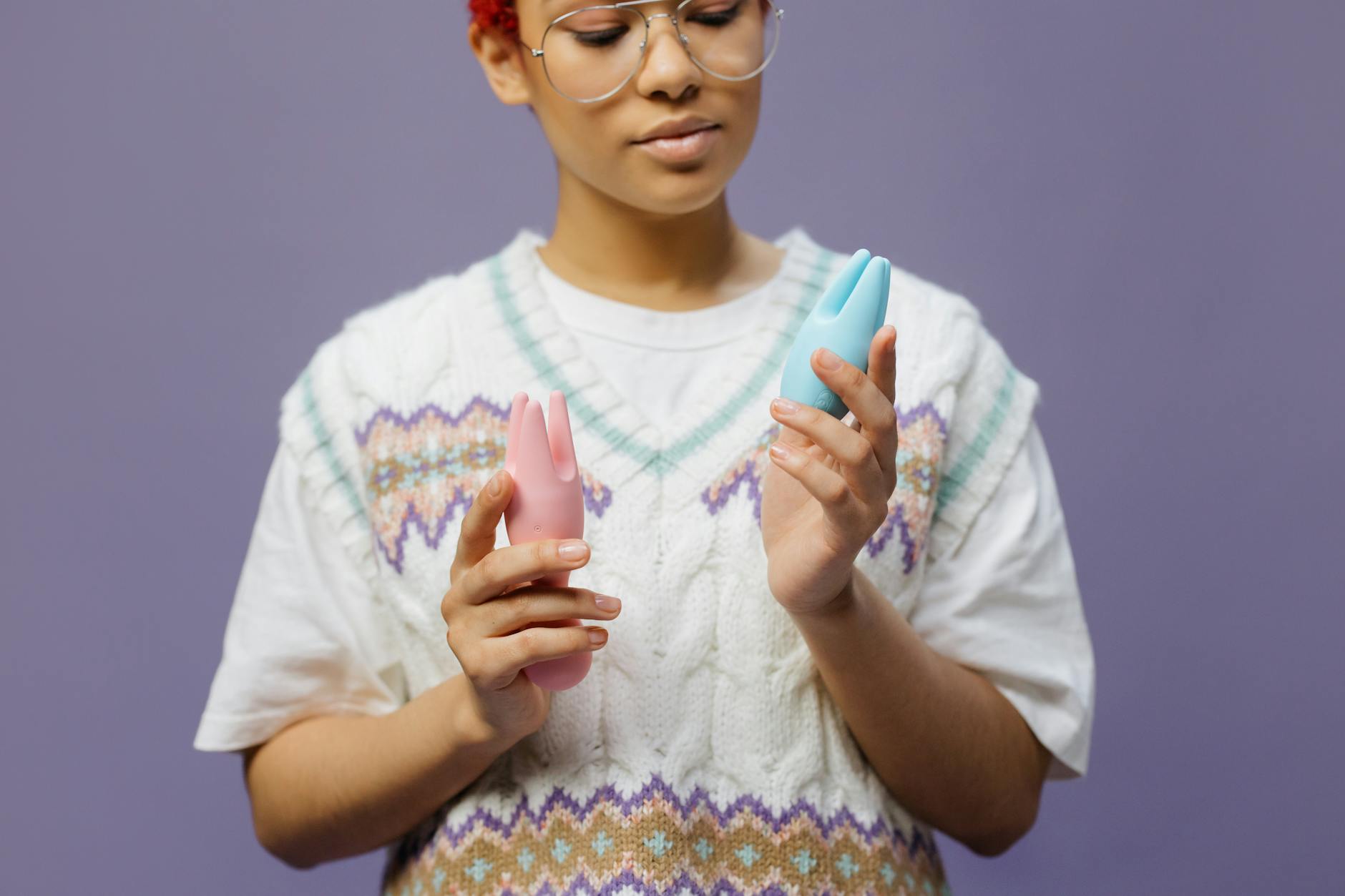
Here's what makes a lemon vibrator particularly useful when you're going through chemotherapy:
Low demand on your body. You don't have to perform or build anything. You lie back, hold it in place, and let the suction do the work. No thrusting, no clenching, no complex choreography when your nervous system is already overwhelmed.
Works despite numbness. The suction mechanism on lemon adult toys stimulates a broader area of nerve tissue than traditional vibrators. When CIPN creates localized numbness, the wider stimulation zone often reaches the nerves that still have sensation. This is why people with reduced feeling often report success with clitoral suction toys when other vibrators feel like nothing.
Gentler on sensitive skin. Chemo can make skin hypersensitive or paradoxically numb. The smooth silicone of a lemon vibrator doesn't irritate already-compromised tissue the way textured toys sometimes do.
Short engagement window. Many people find that 5 to 10 minutes is all they can manage during active treatment. That's fine. A clitoral vibrator delivers sensation in concentrated bursts. You're not looking for 30-minute sessions. You're looking for a moment of being in your body without thinking about treatment.
During active chemotherapy: what to know
If you want to use a lemon vibrator while you're actively in treatment, here are the practical adjustments:
Check your counts first. If your white blood cell count is low (neutropenia), your immune system can't fight infection efficiently. Before any genital contact, confirm your counts are safe with your oncology team. This is especially true if you're using a toy alongside a partner. A simple call to your nurse takes the guesswork out.
Lubrication matters more than ever. Chemo can alter vaginal tissue thickness and moisture production. Use a generous amount of water-based lubricant every time. This isn't because anything is wrong. It's because your tissues need support right now. Silicone-based lubes can damage silicone toys, so stick with water-based.
Lower intensity than you might expect. If you used a lemon vibrator before treatment, try starting at settings 1 or 2 instead of your old baseline. Your nervous system is processing a lot. Gentler sensation often feels more pleasurable than intensity when you're depleted.
Timing matters for energy. Use it when your energy is highest. For many people, that's mid-morning or right after a nap. Don't save it for evening when you've already spent your spoons for the day.
Partner presence is optional. Some people want their partner there. Others need solitude. Both are completely valid. If you're partnered and navigating this together, having that conversation beforehand prevents confusion in the moment.
After treatment: rebuilding sensation
For many people, the six months after chemo ends is harder than chemo itself. You're supposed to feel better, and you don't yet. Your body is still healing. Sensation may still feel muted or weird. This is the season when a lemon vibrator becomes a gentle tool for rebuilding awareness.
Sensation mapping. Your genital nerves are regenerating, but they're not all waking up at the same speed. Use your vibrator to figure out where sensation is returning. Which parts feel most responsive? Where is there still numbness? This isn't clinical. It's just noticing. Over weeks and months, you'll map out the landscape of what's coming back online.
Patience with inconsistency. Some days sensation will feel relatively normal. Other days it'll feel like nothing again. This isn't regression. It's just the nonlinear nature of nerve healing. Don't attach meaning to day-to-day variation. Track the trend over months instead.
Relearning your body's signals. Before chemo, your body probably had a familiar pathway to arousal. That map may have changed. You might find that you need different types of stimulation, different rhythms, different patterns. Rather than trying to recreate your old pleasure, be curious about what works now. A lemon vibrator's adjustable intensity makes this exploration easier.
Hormone shifts. Some chemotherapy protocols damage fertility or accelerate perimenopause. If your hormones are shifting, arousal might look different than before. This is temporary and manageable. If you're also experiencing hot flashes, pelvic floor tension, or other menopausal symptoms, you might benefit from reading about how to use a lemon vibrator when arousal takes longer to build, as the strategies overlap significantly.
Talking to your care team about pleasure during and after treatment
Your oncologist and palliative care team have heard this question before, even if you feel awkward asking. Here's what to say: "I want to maintain some sexual function during and after treatment. Can you tell me what's safe?" That's it. That's professional and clear.
Specific things worth asking:
- Are my blood counts safe for any genital contact right now?
- Will this specific drug regimen affect sensation or hormone levels?
- If I develop numbness in my genitals, are there treatments that help it recover?
- When is it safe to resume sexual activity with a partner?
- Are there any side effects I should expect that might affect arousal?
If your care team is dismissive about these questions, that's a signal that you might need an oncology nurse or palliative care specialist who takes sexual health seriously. Many cancer centers now have specialists in this area.
The emotional part nobody warns you about
Beyond the physical, there's something deeper happening when you use pleasure devices during or after cancer treatment. You're asserting that you deserve to feel good. You're saying to your body: "I'm not mad at you. You did what you could." You're choosing sensation over numbness, aliveness over the temptation to just survive.
That's not small. Some people find that reconnecting to physical pleasure becomes a marker of healing. When sensation returns, when you can sit with yourself and your body and just feel something good, that's often the moment they know they're genuinely coming back.
Frequently asked questions
Can I use a lemon vibrator if I'm still on chemotherapy?
Yes, but check with your oncology team first, especially regarding your white blood cell count. Neutropenia (low white blood cell counts) increases infection risk, so clearance matters. Once you're cleared, lemon clitoral vibrators are often easier to use than other toys because they require less energy and work well despite numbness.
Will a vibrator help my numbness come back faster?
Not directly. But using a vibrator gently encourages you to pay attention to sensation, which helps you notice the small changes happening as nerves regenerate. This awareness is psychologically important even if it doesn't physiologically speed recovery. Many people find that six to eighteen months post-chemo, numbness gradually improves or shifts into a different sensation.
Is it safe to use a vibrator with a partner after chemo if my immune system is still recovering?
Ask your oncology team, but generally yes once you're out of the acute recovery phase. If neutropenia is a factor, avoid contact that could introduce infection. Water-based lube is always safer than saliva or other bodily fluids when immune recovery is still happening.
What if I have no interest in pleasure during or after treatment?
That's completely normal and not something you need to fix. Some people's desire takes years to return, and that's okay. This article is for people who feel that desire and are looking for tools to act on it safely. If you don't feel desire right now, you don't need to do anything.
Can chemotherapy permanently change my capacity for pleasure?
For most people, no. Sensation recovery takes time, but it happens. That said, some regimens do carry higher risk of lasting nerve damage. Your oncologist can tell you about your specific protocol. The good news: even if permanent numbness happens, people still have satisfying sex lives. You'd be working with different sensation, not no sensation.
How do I talk to my partner about wanting pleasure during treatment?
Start simple: "I want us to stay connected physically, even if it looks different right now." If you want to use a vibrator alone first, that's fine to do alone. If you want your partner involved, showing them the lemon vibrator and explaining how it helps is less awkward than trying to describe it verbally. Some couples find that shared research about post-chemo intimacy strengthens their connection.
The closing thought
Cancer treatment reshapes your body and your life. Pleasure doesn't have to be one of the casualties. A lemon clitoral vibrator is a small, practical tool for holding onto yourself during the hardest season. It's not a cure or a fix. It's just permission to feel good when you can. If you have questions about how to approach intimacy during or after your specific treatment, reach out to your care team or consider connecting with a therapist who specializes in cancer survivorship and sexual health. You deserve that support.