Here's the thing nobody tells you when you come off hormonal birth control. You're not just stopping a medication. You're walking back into a body that's about to relearn how to regulate itself. For the first time in maybe a decade, your natural hormone cycle is returning. That's powerful. It's also confusing as hell.
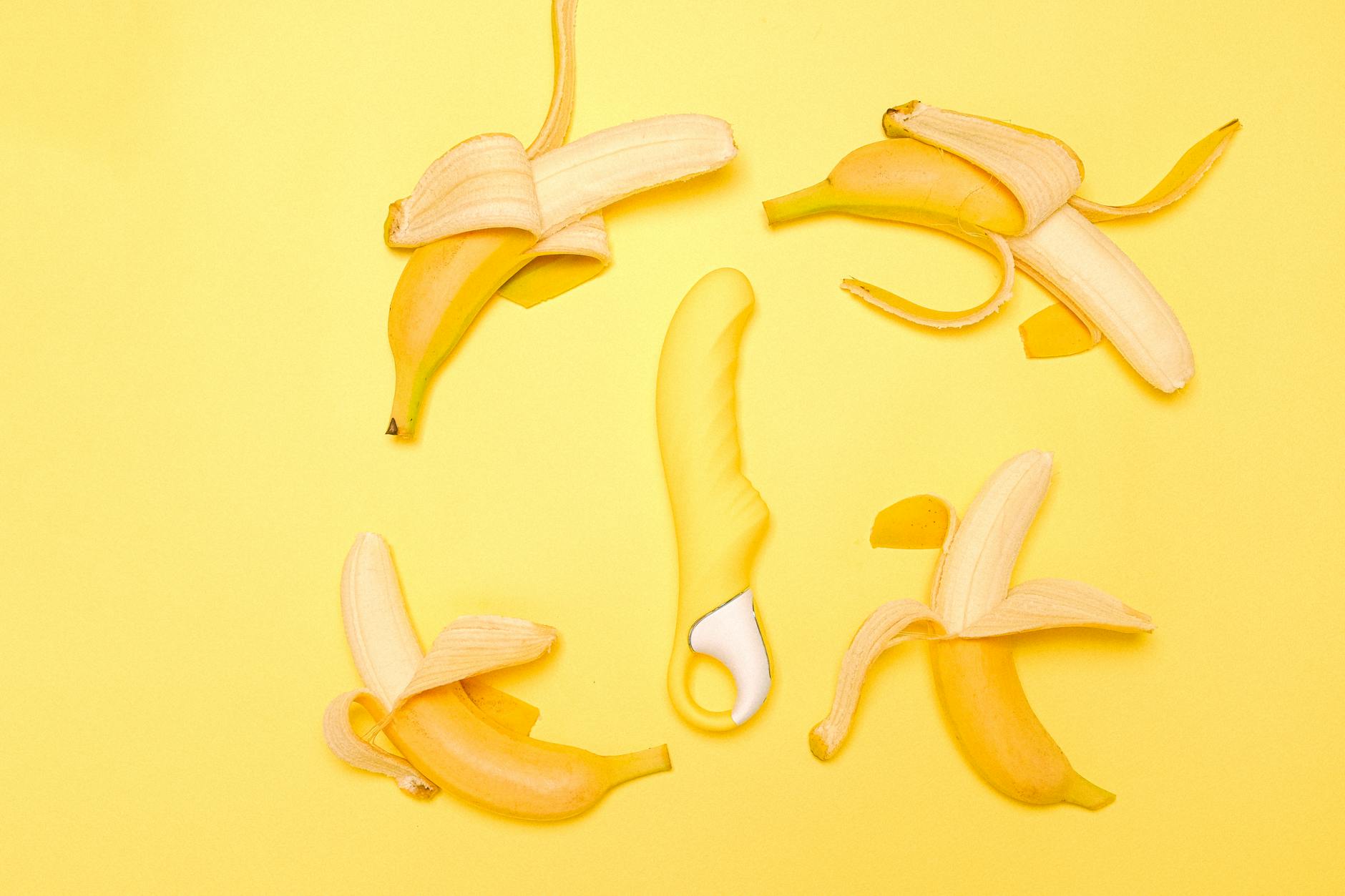
Your arousal might spike. Your sensitivity might feel brand new. Some people report orgasms that feel completely different—sometimes better, sometimes harder to reach. If you're rediscovering pleasure after years on the pill, a lemon clitoral vibrator becomes genuinely useful not because you were broken before, but because your baseline is shifting.
The pill suppresses your natural estrogen and progesterone cycles. When you stop taking it, those hormones come roaring back—but it takes time for your body to regulate. We're talking weeks to months of fluctuation. Your dopamine levels shift. Your testosterone (yes, you have it) rebalances. Your pelvic floor tightens slightly as estrogen returns. Even your vaginal pH changes.
Think of it like this: you've been living in a climate-controlled room for years. Someone opens the windows. Suddenly there's wind, temperature swings, humidity changes. Your body has to adjust.
For pleasure specifically, this means a few predictable things happen:
Arousal takes on a cycle again. On the pill, desire was relatively flat. Off it, you'll notice peaks and dips. Some days you'll feel wildly turned on. Others, nothing. This is normal. This is actually your body working right.
Sensitivity gets sharper. Estrogen supports vaginal and clitoral tissue health. When it was suppressed, you may have experienced less sensation. As it returns, nerve endings wake up. Direct vibration might feel too intense at first. Suction-based stimulation—like what a lemon vibrator provides—often feels more comfortable because it's broader, less concentrated friction.
Orgasms can feel deeper or harder to trigger. Some people report the most intense orgasms of their lives after quitting hormonal birth control. Others find it takes longer to build to climax. Both are completely normal. Your nervous system is recalibrating.
A lemon clitoral vibrator uses gentle suction and pulsing rather than straight vibration. Here's why that matters when you're coming off the pill:
Suction feels less overwhelming. When your sensitivity is heightened and unpredictable, intense vibration can feel jarring or even painful. Suction stimulates the entire clitoral complex—not just the external tip—which gives you a fuller, more distributed sensation. For someone whose body is still calibrating, that's a relief.
You can control the intensity easily. The Lem vibrator has multiple pulse patterns and intensity levels. When your threshold is fluctuating week to week, having that dial means you're not guessing. Start low. Add more stimulation only when your body signals it's ready.
The rhythm mirrors natural arousal patterns. One of the strangest things about returning to your natural hormone cycle is that arousal doesn't build on a straight line anymore. It's pulsing, rising and falling. The rhythm of lemon sexual toys tracks that pattern better than constant vibration alone.
If you've just quit the pill, your pleasure map is about to get redrawn. That sounds dramatic, but it's real.
Week 1-2. You might feel nothing different. The hormonal shift is happening at a cellular level, but it's not obvious yet. Some people feel a surge of libido immediately. Others report zero change. Both are fine.
Week 3-6. This is when things get interesting—and sometimes confusing. You might feel intensely aroused one day and completely flat the next. Your orgasms might feel sharper or flatter. Penetration might feel different. Some people experience clitoral tenderness they didn't have before. If that happens, take the intensity down on your lemon vibrator. This is temporary.
Week 6-12. Your system starts settling. Patterns emerge. You'll notice your cycle actually feels like something now—you might have a day or two of higher arousal around ovulation. Your body's becoming predictable again, but in a different way than it was on the pill.
During all of this, what helps is information and flexibility. A lemon clitoral vibrator is flexible. It meets your body where it is, not where you think it should be.
Start with expectations lowered. Don't assume you know what gets you off anymore. You might. You also might not. Spend time exploring—without pressure to orgasm—using a lemon vibrator on the lowest setting. Pay attention to where you like it, how fast, what rhythm. You're collecting data about your new body.
Lengthen your warm-up time. Arousal cycles are back, which means it takes longer to build. Budget an extra 10-15 minutes of foreplay or solo exploration than you might have before. This isn't a flaw. It's part of how your body is supposed to work when hormones are fluctuating naturally.
Track your cycle loosely. You don't need an app for this. Just notice: when in your month does arousal spike? When does sensitivity peak? When do orgasms feel easiest? After a few months, patterns emerge. Once you know them, you can prepare—maybe scheduling solo time when you know arousal will be higher, or choosing a lower intensity setting during the days when you're more sensitive.
Use lubrication more than you think you need. Even as estrogen returns, vaginal lubrication isn't always automatic in the first few months. Water-based lube is your friend. It's not a sign something's wrong. It's just part of the transition.
Let your partner know what's happening. If you're in a relationship, tell them: "My body's relearning itself. Arousal and sensation are unpredictable right now. That's normal. We'll figure it out together." Then actually figure it out together. That might mean longer warm-ups, checking in more during sex, or sometimes deciding not to have sex because the timing just isn't right that day. That's okay.
Orgasms feel impossible suddenly. This is one of the most common complaints from people coming off hormonal birth control. Your nervous system is rewiring. Use your lemon vibrator consistently—maybe daily or every other day for a few weeks—to help your body remember the pathway. Don't aim for orgasm. Aim for sensation. The orgasm often follows.
Clitoral pain or tenderness. Some people experience this in the first month off the pill. It usually passes. If you experience it, dial back the intensity. Use the lower settings on your lemon sucker. Take a break if you need to. If it persists past six weeks, check in with a doctor—it's probably fine, but it's worth ruling out infection or inflammation.
Extreme mood swings that affect arousal. Hormonal birth control suppresses mood swings. Without it, you might feel them again. This is real and it affects libido. Some days you'll have zero interest in pleasure. Other days it'll feel urgent. Both are valid. Don't force it on the flat days. The peaks will come back around.
Everything feels too sensitive. Your tissue is more estrogen-rich now. That makes it more sensitive. This usually settles after a few weeks. In the meantime, use a lemon vibrator with suction rather than intense vibration. Broader stimulation, lower intensity, more lube.
Most of what happens after you quit hormonal birth control is totally normal. But a few things warrant a conversation with a gynecologist:
If pain during sex persists past eight weeks. If you're bleeding heavily or spotting between periods consistently. If anxiety or depression spikes significantly. If arousal doesn't return after three months. None of these mean something's wrong, but they're worth discussing with someone who knows your medical history.
The shift after quitting hormonal birth control isn't a loss of pleasure. It's a different version of it. Your body had been humming along on synthetic hormones. Now it's returning to its own frequency. That frequency was always there. You're just reacquainting yourself with it. A lemon vibrator—with its adjustable intensity and broad stimulation—is a practical tool for that reacquaintance. Use it without pressure. Notice what feels good. Build from there.
Your pleasure matters, especially during transitions when everything feels uncertain. Let your body lead. The rest will follow.
How long does it take for arousal to return after stopping birth control?
For most people, noticeable changes happen within the first three weeks, but full rebalancing takes 2-4 months. Some people feel arousal spike within days. Others don't notice changes for six weeks. This variation is completely normal. Hormones don't have a set timeline.
Can I use a lemon vibrator right after I stop taking the pill?
Absolutely. There's no medical reason to wait. Your body isn't damaged or fragile. It's just adjusting. Start with low intensity if sensitivity is unpredictable, but using a lemon clitoral vibrator during this transition can actually help you track what's changing.
Will my orgasms get better after I quit the pill?
Maybe. Many people report stronger, more frequent orgasms after their body returns to natural hormones. Others find the change is neutral—just different. Factors like stress, relationship dynamics, and overall health matter more than hormones alone. If you've noticed that orgasms feel harder to reach since quitting the pill, a lemon vibrator can help rebuild that pathway through consistent, low-pressure stimulation.
Is it normal to feel less aroused right after quitting hormonal birth control?
Yes. Some people experience a temporary dip in arousal during the first few weeks as their hormone levels spike and crash. This usually resolves by week six. If flatness persists longer, it might be worth checking in with a doctor about thyroid function or other factors—but usually it's just the adjustment period.
Can I still use my lemon vibrator if my clitoris is extra sensitive?
Completely. That's actually one of the main reasons lemon sexual toys are helpful during hormonal transitions. The suction is gentler than concentrated vibration. Start on the lowest setting, use plenty of lube, and give yourself permission to take it slow. You can always increase intensity. You can't take it back once it's uncomfortable.
What if I had low libido on birth control and it doesn't improve after quitting?
There could be multiple reasons—stress, relationship factors, other medications, or just your natural baseline. But if you suspect hormones were contributing, give yourself at least three months off the pill before assuming it won't change. In the meantime, use tools like a lemon vibrator to stay connected to your body without pressure. That connection itself often helps rebuild desire over time.