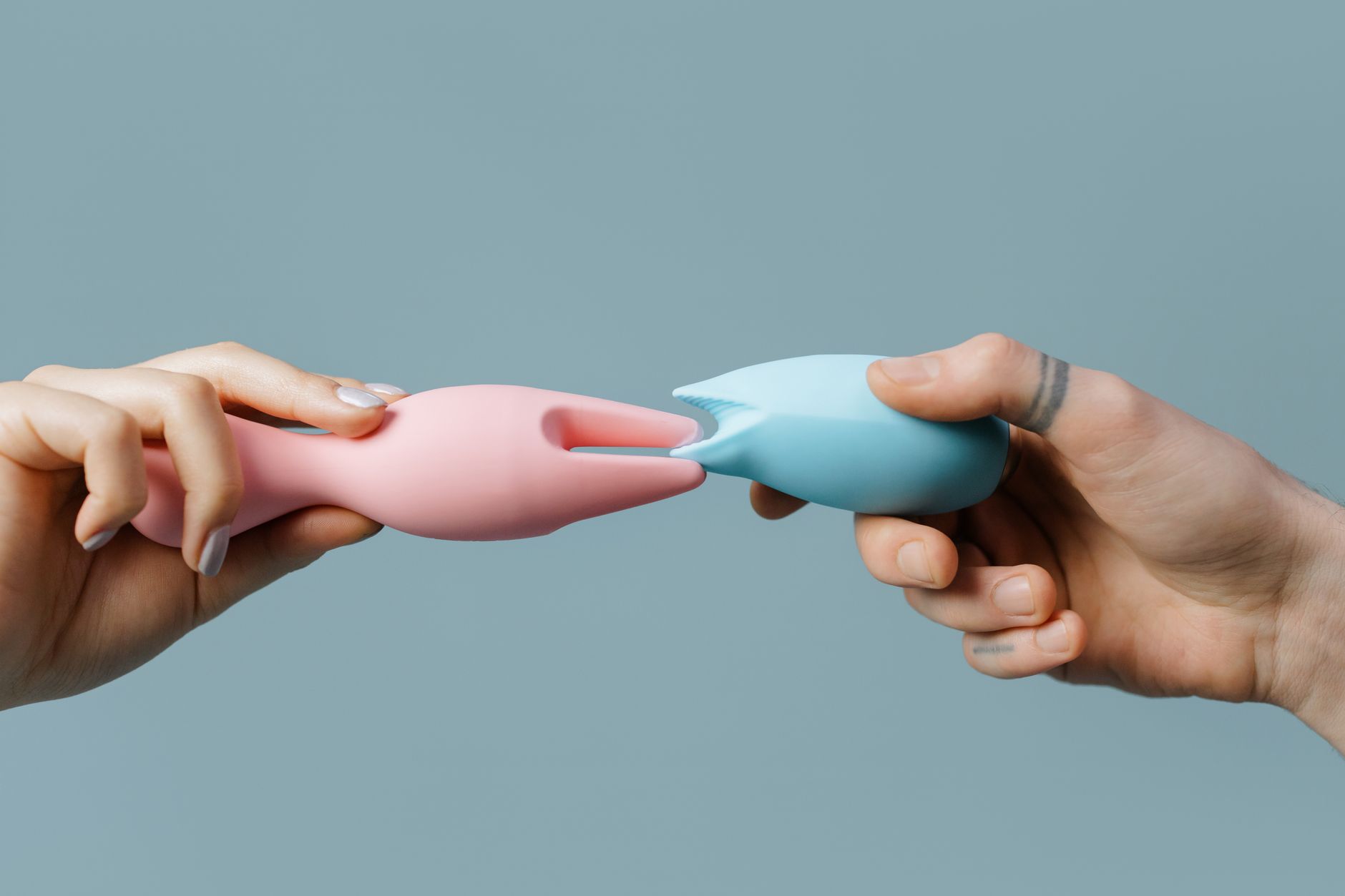
Let's talk about the IUD problem nobody mentions
Your hormonal IUD is doing exactly what it's supposed to do. It's releasing tiny amounts of synthetic progestin directly into your system, thickening cervical mucus, thinning the uterine lining, and preventing pregnancy with over 99% effectiveness. It's also, for a lot of people, quietly shutting down arousal and flattening sensation. And nobody really warns you about that part before insertion.
This isn't a failure of the device. It's not something you imagined. Sensation loss and reduced desire with hormonal IUDs are clinically documented side effects that affect somewhere between 15 and 30 percent of users, depending on whose data you're reading. The problem is that when it happens, you're usually just told "that's normal" or "give it three months," which isn't actually helpful when your body feels numb.
Here's what you need to know about why it happens, and more importantly, how lemon vibrators and other clitoral vibrators can help you find your way back to pleasure.
Why hormonal IUDs affect sensation
Hormonal IUDs work by creating a low-dose hormonal environment. It's way lower than birth control pills, which is why they're such an effective option. But "lower" doesn't mean "none." Your body is still processing synthetic progestin, and progestin affects the same neural pathways and tissue sensitivity that drive pleasure.
Three things happen:
First, progestin dampens dopamine and norepinephrine. Those are the neurotransmitters that create desire, anticipation, and the cascade of arousal that makes everything feel electric. Lower dopamine means wanting sex feels duller. You might have the thought "I should be interested in this," but the feeling doesn't follow.
Second, the hormone affects blood flow. Clitoral sensation depends on engorgement. Reduced blood flow means reduced swelling, which means less nerve stimulation, which means it takes more input to feel anything at all. Your clitoris is still there. It's just working harder for the same result.
Third, progestin can increase vaginal dryness by thinning the vaginal epithelium. Less lubrication means friction feels uncomfortable instead of pleasurable, which creates a psychological barrier on top of the physical one. You're less likely to engage if engagement hurts, even slightly.
All of this usually happens gradually. You don't wake up one day completely numb. You start noticing that you need longer warm-up time, or that something that used to feel amazing now feels like pressure, or that the thought of sex doesn't spark the same way it used to. By the time you connect it to the IUD, you've often already stopped trying.
How sensation loss actually feels (and what's not in your head)
Let me be specific, because "reduced sensation" is vague and doesn't capture what people actually experience. Some common patterns:
Your clitoris feels duller to direct touch. You can still orgasm, but it takes ten minutes of focused stimulation instead of three. The orgasm, when it comes, feels more like relief than pleasure. There's less buildup. Less surprise. Less joy in it.
Or arousal takes forever to start. You're not turned off exactly, but you're not turned on either. You're somewhere neutral, watching yourself try to engage, feeling like you're performing instead of feeling.
Or sensation is spotty. Some days fine. Some days completely absent. You can't predict it, which makes it hard to plan intimacy with a partner, and harder to trust your own body.
Or penetration feels less pleasurable because the IUD reduces the tissue response that makes fullness feel good. The psychological pleasure is still there, but the physical intensity isn't, and they're supposed to work together.
This is all real. This is not "you're stressed" or "you need to relax more." This is hormones doing exactly what they're designed to do. The question is what to do about it.
Why lemon clitoral vibrators change the equation
Here's the thing about sensation loss from hormonal IUDs: it's not that your nerve endings have stopped working. It's that the signal is weaker. Your body needs more input to register the same pleasure.
That's where air-suction technology like the Lem comes in. Lemon vibrators use gentle suction and pulsing patterns instead of direct vibration. That matters, because suction stimulates nerve clusters in a different way than traditional vibration. It creates broader, more diffuse stimulation that doesn't rely on the kind of direct friction that requires high sensation to feel good.
In practical terms: when sensation is dampened, your clitoris benefits from stimulation that covers more area and uses a different sensory pathway. Air-suction toys like the Lem do exactly that. You're not waiting for your body to wake up. You're working with what you actually have right now.
I've had clients describe it this way: with a regular vibrator, sensation loss means you're turning up the intensity to try to feel something. With a lemon clitoral vibrator, you're not turning up anything. You're just... feeling it differently. The sensation registers because the pattern is different, not because it's stronger.
Using the Lem when sensation is flat
If you're starting with the Lem while dealing with IUD-related sensation loss, here's what actually works:
Start at the lowest setting. Not because you're fragile, but because you're learning a new kind of sensation. The suction pattern itself is the point, not the intensity. Patterns 1 through 3 are often where people find what they're looking for when sensation is muted.
Give yourself 10 to 15 minutes of warm-up before using it. Sensation loss from hormonal IUDs means arousal is slower to build. Spend that time on whatever gets you mentally engaged. Read something, watch something, think about something. Your brain needs time to send the signal down to your body. The Lem is more effective once that signal has already started.
Use water-based lubricant even if you don't think you need it. Hormonal IUDs often come with reduced natural lubrication, and that changes how sensation feels. Lube isn't about fixing a problem. It's about making the sensation you do have feel better. It's the difference between friction and glide.
Try it during different times of your cycle if you can. Even with a hormonal IUD, your body cycles through hormonal patterns (they're just dampened). Some days sensation will be slightly better. Tracking those patterns helps you understand your body, and it also helps you plan intimacy around the days when you're more likely to feel things.
If you're in a relationship, tell your partner what's actually happening. "I'm using a clitoral vibrator because my IUD is affecting sensation" is way more useful than suffering through sex that doesn't feel good and pretending you're fine. A partner who loves you would rather know than watch you disengage.
When sensation loss needs medical attention
Sometimes sensation loss from a hormonal IUD is mild and manageable. Sometimes it's severe enough that it affects your quality of life, and that's worth taking seriously.
If numbness got worse over time instead of stable, talk to your doctor. If you developed pain where there wasn't pain before, that's worth investigating. If sensation loss is paired with mood changes, fatigue, or other symptoms that feel new, mention all of it. Some people's bodies just don't do well with hormonal IUDs, and that's not a character flaw. It's just information.
Removing the IUD usually restores sensation within a few weeks to a few months as the hormone clears your system. If you decide that's what you want to do, there are other pregnancy prevention options. And you don't have to make that decision right now. Sometimes using something like a lemon clitoral vibrator while you're on the IUD gives you enough pleasure back that you're happy to stay. Sometimes it helps you manage the side effect while you decide what you actually want to do long-term.
The point is: you get to decide. Sensation loss from a hormonal IUD is real. It's manageable. And you're not broken.
Questions people actually ask
Can an IUD permanently damage sensation?
No. Hormonal IUDs affect the signals your nervous system is sending, but they don't damage the nerve endings themselves. Once the hormone is out of your system, sensation returns. For some people it takes a few weeks. For others it takes a couple months. But it comes back.
Is sensation loss the same for everyone with a hormonal IUD?
Not even close. Some people notice nothing. Some people notice everything. A lot of people experience mild changes that they adjust to without much effort. The dosage of progestin, where it's being released in your body, and your individual sensitivity to hormones all play a role. You might have a completely different experience than your friend with the same IUD.
Can I use a lemon clitoral vibrator right after IUD insertion?
Yes, as long as you wait for any post-insertion cramping to settle, usually a day or two. Sensation loss from the IUD takes a few weeks to develop, so using the Lem in the meantime is fine. Just be gentle if your body is still tender from the procedure itself.
Will using a vibrator make the sensation loss worse?
No. If anything, using stimulation while you have sensation loss helps maintain your neural pathways and prevents complete disengagement from pleasure. You're keeping the conversation between your brain and your body going even when the signal is weaker.
What if I try a lemon vibrator and still feel nothing?
It might take a few sessions to recalibrate. Sensation loss dampens your baseline, so it can take time for your body to remember what pleasure feels like. If you've tried it consistently over a few weeks and still feel completely numb, that's worth talking to your doctor about. It might mean the IUD isn't right for you, or it might mean you need a different approach.
Can I layer a lemon clitoral vibrator with other stimulation?
Absolutely. Sensation loss often responds better to multiple inputs at once. The Lem plus a partner's touch, or plus penetration, or plus mental stimulation. Your brain is trying to process a weaker signal, so giving it more channels of information sometimes helps. That's not cheating or meaning you're "too numb." That's just smart use of your body.
The bottom line
A hormonal IUD is an excellent choice for pregnancy prevention, but it comes with a real side effect that deserves real solutions. Sensation loss is not something you have to accept as the price of the device. It's not permanent. And you don't have to white-knuckle through it.
Lemon vibrators, particularly air-suction clitoral vibrators like the Lem, work with dampened sensation instead of against it. They use a different sensory pathway, which means they're effective even when your baseline pleasure feels flat. Combined with longer warm-up time, lubrication, and honesty with your partner, they can help you find your way back to pleasure while you're on the IUD, whether you stay on it long-term or decide to try something else.
Your pleasure matters. Even when hormones are making it harder. Even when it takes more work. You deserve to feel good in your body. That's not negotiable.
If you're struggling with sensation loss and want to talk through your options, whether that's using a clitoral vibrator or exploring other approaches, we're here to help.