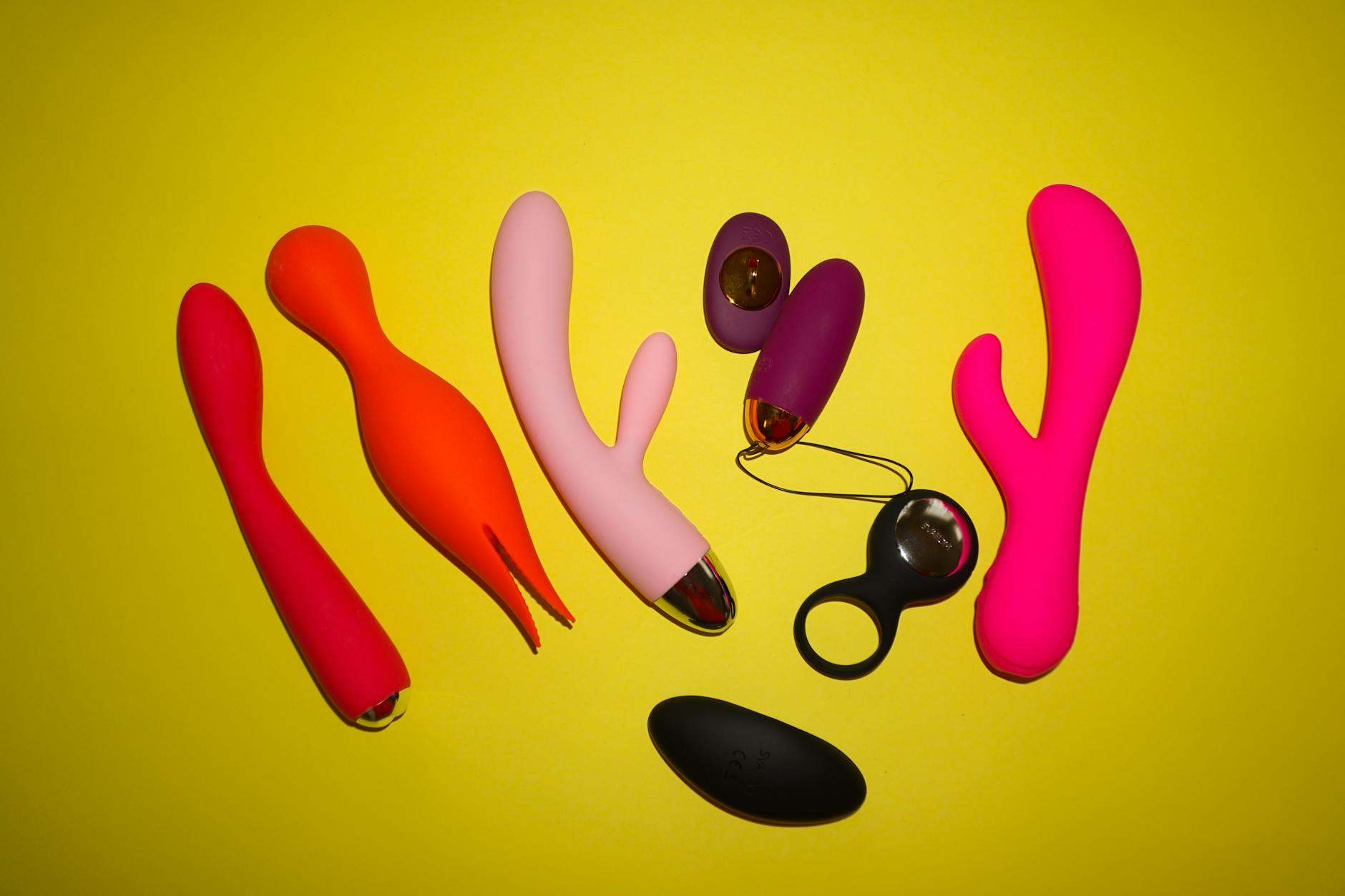
Here's the thing about antidepressants and sex
They work. Your mood stabilizes, the fog lifts, you stop lying awake at 3 a.m. spiraling. But then you notice something else: touch feels distant. Orgasm takes forever, or doesn't come at all. Your partner touches you and it's like receiving a text message instead of a hug. You feel there, but you don't really feel it.
This isn't your imagination. It's not "all in your head" (well, it's partly neurobiology, which lives in your head, but that's not the same as saying it's fake). SSRIs and SNRIs work by keeping serotonin and norepinephrine circulating longer in your brain. That's what fixes depression. But those neurotransmitters also regulate sexual response, vaginal lubrication, and the ability to reach orgasm. For 30 to 70 percent of people taking these medications, sexual side effects show up like unwanted houseguests.
What I tell my clients is this: you didn't choose to be depressed, and you didn't choose this side effect. But you can choose how to work with it.
Why sensation goes numb on SSRIs
Three pathways get affected:
The arousal circuit slows down. Serotonin inhibits dopamine in certain brain regions, and dopamine is basically your pleasure accelerator. When serotonin is higher, dopamine can't do its job as well. Arousal takes longer to build. The physical sensations that used to register as "wow" now register as "meh."
Genital sensation dulls. Nerve endings in the clitoris and vulva rely on proper blood flow and neurotransmitter signaling. SSRIs can reduce vasocongestion (the swelling that makes tissue more sensitive), which means less sensation overall.
Orgasm gets harder. Even when you reach arousal, the final sprint to climax requires a very specific neurochemical state. SSRIs can lengthen the refractory period, making orgasm feel further away or impossible.
Here's what doesn't happen: you don't lose the capacity for pleasure. You don't lose nerve endings. You don't become broken. You've got a medication that's literally working against you in one very specific domain. It's temporary, and it's manageable.
When lemon clitoral vibrators become your secret weapon
Air-suction toys like the Lem vibrator work differently than traditional vibrators, and that difference matters when you're on antidepressants.
A standard vibrator relies on you having enough baseline sensation and arousal to enjoy the stimulation. When numbing is happening, that's a losing fight. You're trying to feel something that's intentionally being suppressed by your medication.
Lemon suction toys take a different approach. They don't rely solely on conventional vibration. Instead, they create rhythmic suction patterns that stimulate a broader area of nerve tissue at once. The sensation is less sharp and more encompassing. For someone whose clitoral nerves are muted by an SSRI, this broader stimulation pattern can cut through the numbness in a way that fine-tuned vibration can't.
I've had clients report that they tried three or four vibrators with no luck, then picked up a Lem and felt something for the first time in months. That something is often the gateway back to pleasure.
Starting over: the practical protocol
If you're on an SSRI and want to rebuild sensation, here's the sequence I recommend.
First: talk to your prescriber. I'm not saying "stop taking your antidepressant." Please don't do that. But a good psychiatrist knows this is a common side effect and has options. Dosage adjustments, switching to a different SSRI, adding something like bupropion (which actually increases dopamine), or timing your doses differently can all help. Start that conversation before you add anything else.
Second: give yourself a baseline. Spend a week or two just noticing what sensation is present without any toys. Where do you feel touch? What patterns of touch feel better? This isn't failure; it's information.
Third: introduce a lemon clitoral vibrator slowly. Don't jump straight to the highest setting. Start at pattern one or two and spend 15 to 20 minutes exploring. Set a timer so you're not chasing the orgasm (which becomes exhausting when you're already fighting numbness). The goal isn't to come. The goal is to notice any increase in sensation.
Fourth: track what changes. Are certain times of day better? Do you feel more after exercise? Does adding lubrication help? These observations let you build a routine that works instead of just waiting for spontaneous feeling to return.
The timeline piece people don't talk about
Here's the hard truth: sensation doesn't always come back right away. Sometimes it takes weeks. Sometimes it takes months. If you switch medications or adjust your dose, the timeline resets.
What happens more often is a gradual return. First you notice it's not impossible to orgasm, just takes longer. Then one day you feel a flutter of something that's almost pleasure. Then a day or two later, actual pleasure. It's not linear, and some days will feel like you're back to square one.
That's normal. It doesn't mean the Lem vibrator isn't working. It means your nervous system is slowly restabilizing, and some days are better than others.
Most people I work with see meaningful changes in sensation within 4 to 8 weeks of consistent exploration. Some see it in two weeks. Some take three months. The variability is huge because depression, medication response, and sexual physiology are all tangled together.
What to avoid while rebuilding
Don't chase orgasm like your life depends on it. When sensation is already muted, adding performance pressure makes it worse. You're literally telling your nervous system "this should feel good and I'm frustrated it doesn't," which is the opposite of what helps.
Don't assume your partner isn't attracted to you anymore. Sexual side effects are about neurotransmitters, not about your worth or their desire. But talking about it helps. "I'm on medication that's affecting sensation and I'm working on rebuilding this" is information, not rejection.
Don't switch medications or stop taking them without your doctor. I know the sexual side effects are frustrating. They're also temporary if you stick with the right medication management. Stopping antidepressants to restore sensation is trading your mental health for physical pleasure, and that's never the right deal.
Don't assume you need to feel the same as you did before medication. Sometimes after depression and medication, your baseline shifts. That's not wrong. It's just different. Pleasure can rebuild on new terms.
Why lemon sexual toys specifically
I mention the Lem because the design actually addresses what happens when sensation is muted. The suction patterns are gentler on desensitized tissue than intense vibration can be. The range of settings lets you start at a level that might feel like nothing and gradually build to something you can actually perceive.
But honestly, any clitoral vibrator you choose should have:
Multiple intensity levels (so you can start low). A range of patterns (so you can find what cuts through the numbness). Silicone construction (waterproof, easy to clean, compatible with water-based lubrication). A shape that feels good in your hand (because if you're spending 20 minutes exploring, comfort matters).
Lemon adult toys check all those boxes. So do plenty of others. The point is: choose something thoughtfully instead of grabbing whatever's on sale.
The reconnection part
Rebulding sensation after antidepressants is partly about tools and partly about patience. You're not broken. Your medication is working. The numbness is a side effect, not a permanent condition.
What changes sensation fastest is a combination of things: medical support (your doctor or psychiatrist helping optimize your medication), consistent exploration (using something like a Lem vibrator regularly, not sporadically), and permission (accepting that this rebuild takes time and that you're doing nothing wrong by needing help).
Most people get there. Sensation returns. Pleasure comes back. It doesn't always look the same as it did, but that's okay. You're not trying to go back. You're trying to go forward into a version of pleasure that works with your current neurochemistry, not against it.
FAQ: Rebuilding sensation while on antidepressants
How long does it usually take for sensation to return after starting an SSRI?
There's no universal timeline, but most people see some shift within 8 to 12 weeks. The first change is usually "it's taking longer to get aroused," not total numbness. For those with more severe numbness, it can take 3 to 6 months. If you're past six months with no change at all, that's worth bringing back to your prescriber. Sometimes a medication switch or dosage adjustment helps faster than waiting.
Can you use a lemon vibrator while taking antidepressants?
Absolutely. Lemon clitoral vibrators are tools that can help you notice sensation that's there but muted by medication. They're not counteracting the medication or making it less effective. Using them is part of exploring what sensation is available right now, which is exactly what helps during rebuilding. Start low and go slow, especially if you've been numb for a while.
Does sensation come back differently after being on SSRIs?
Sometimes. Some people report that sensation feels sharper or more localized when it returns. Some say it's more diffuse. Some notice they need different types of stimulation than they needed before. This isn't bad. It's just adaptation. Your body and nervous system have been through a lot. Sensation returning on different terms is still sensation returning.
Should I stop taking my antidepressant to get sensation back?
No. Depression is a medical condition. Antidepressants treat that condition. Sexual side effects are real and frustrating, but they're not worth untreating depression. What you should do instead is talk to your psychiatrist about whether your current medication, dosage, or timing could be adjusted. There are often solutions that don't involve stopping.
Is it normal to feel numb even in places other than the genitals?
Yes. SSRIs can reduce sensation broadly, not just sexually. Some people notice they don't feel temperature as much, or touch on their skin feels distant. This is called emotional blunting or genital anesthesia depending on where it's happening. It's temporary and usually improves within weeks to months of continued medication use as your nervous system adjusts. If it doesn't improve, your prescriber might adjust your dose.
Do lemon suction vibrators work better than regular vibrators for SSRI numbness?
Many people find them more effective because the stimulation pattern is broader and less reliant on baseline sensation. But individual response varies wildly. Some people get more from a traditional vibrator. The best approach is trying what seems logical and noticing what actually works for your body. If one style of toy doesn't spark sensation, try another.
The bottom line
Antidepressants save lives. The sexual side effects are real and worth addressing. Lemon vibrators and other sex toys designed with sensation in mind can be part of reclaiming pleasure while you're on medication that's literally keeping you stable. The rebuilt sensation might not look the same as it did before, and that's fine. Forward is the direction that matters.
If you're struggling with sexual side effects, reach out to your prescriber, your therapist, or both. This is more common than you think, and there's actually a lot you can do about it. Start with your medical team, add tools that work for your body, and give yourself time. Sensation comes back.